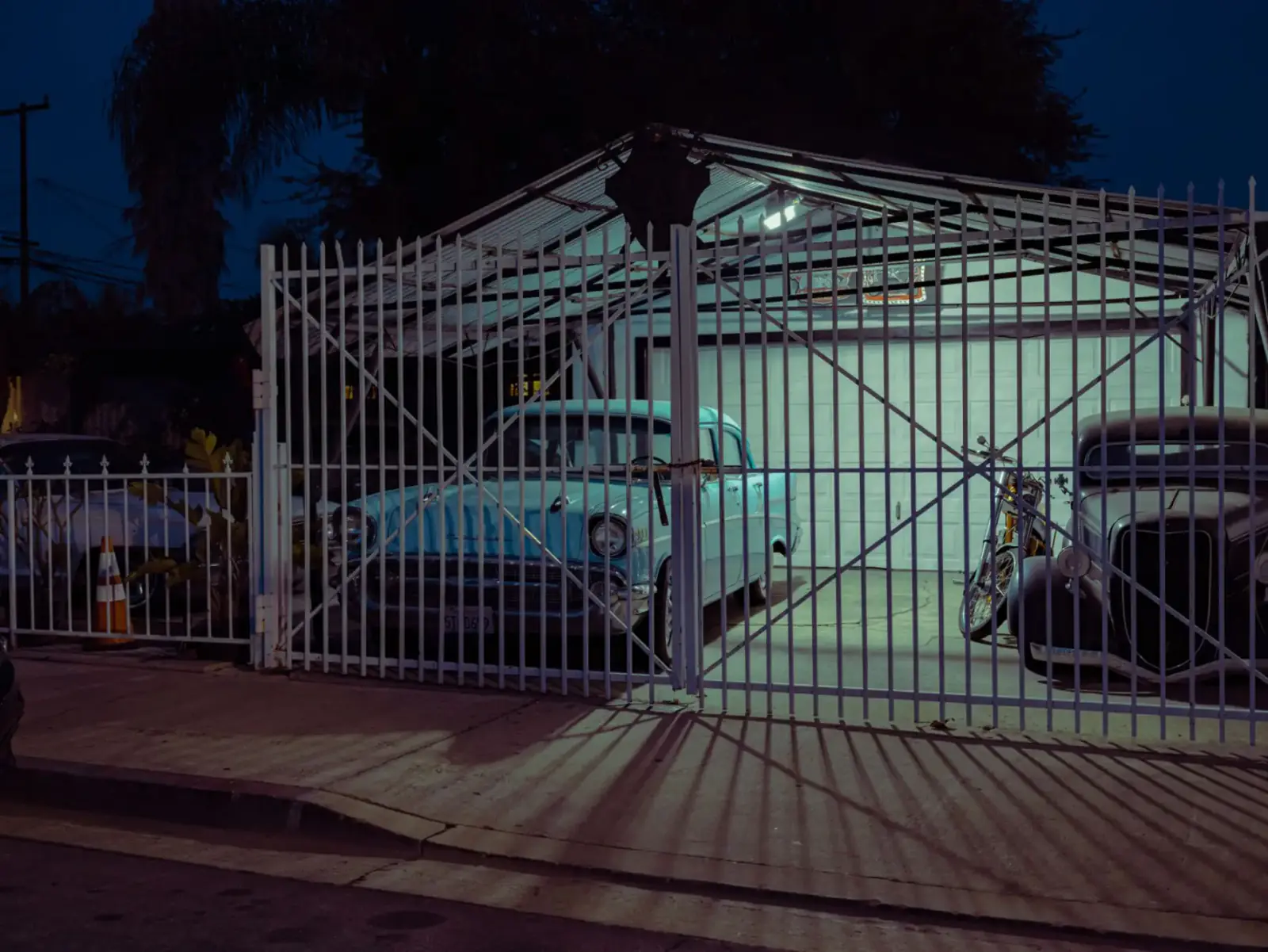
Automatic Gates in St. Paul, MN — Residential & Commercial Electric Gate Systems
An operator is only as good as the gate under it. Frame, hinge post and footing get sized for powered cycling before a motor goes anywhere near the opening.
Automatic & Electric Gates in St. Paul, MN
St. Paul Elite Metal Gates is your local resource for automatic gates, electric gate operators, driveway gates and access control throughout St. Paul and Ramsey, Hennepin, Washington, Dakota and Anoka Counties. We work with experienced gate and access-control specialists who install to ANSI/CAN/UL 325 and ASTM F2200 rather than to whatever came in the box.
Automating a gate is not an accessory. A manual gate only has to survive being pushed by someone who feels resistance and stops. A motor feels nothing — it drives until the limit switch says stop or until something gives. Everything upstream of the operator therefore has to be stiffer: a braced frame that does not flex, a hinge post sized to the finished leaf weight, a footing that will not shift, and a leaf that runs its full travel without rubbing anywhere.
The second half of the job is safety, and it is not discretionary. ANSI/CAN/UL 325 requires two independent entrapment-protection devices at every entrapment zone on a vehicular gate operator, and the operator's own inherent reversing system counts as only one of the two. ASTM F2200, the construction specification automated vehicular gates are built to, has been in effect since July 10, 2002. Photo eyes and edge sensors left in the box is the most common thing wrong with a bad automatic gate install, and it is the one that matters most.
What’s Included in a St. Paul Automatic & Electric Gates Quote
- Assessment of the existing gate — frame, bracing, hinge post and footing — against the load powered cycling will put on it
- Operator class selected against leaf weight, leaf length and realistic daily cycle count, not against the cheapest unit that fits
- Slide or swing operator specified with the mounting pad, conduit route and power run identified on site
- Two independent entrapment-protection devices per entrapment zone as UL 325 requires — typically photo eyes plus edge sensors
- Travel limits set and soft start / soft stop tuned so the gate is not slamming its stops on every cycle
- Loop detector or exit wand for automatic opening on exit, where the drive layout supports it
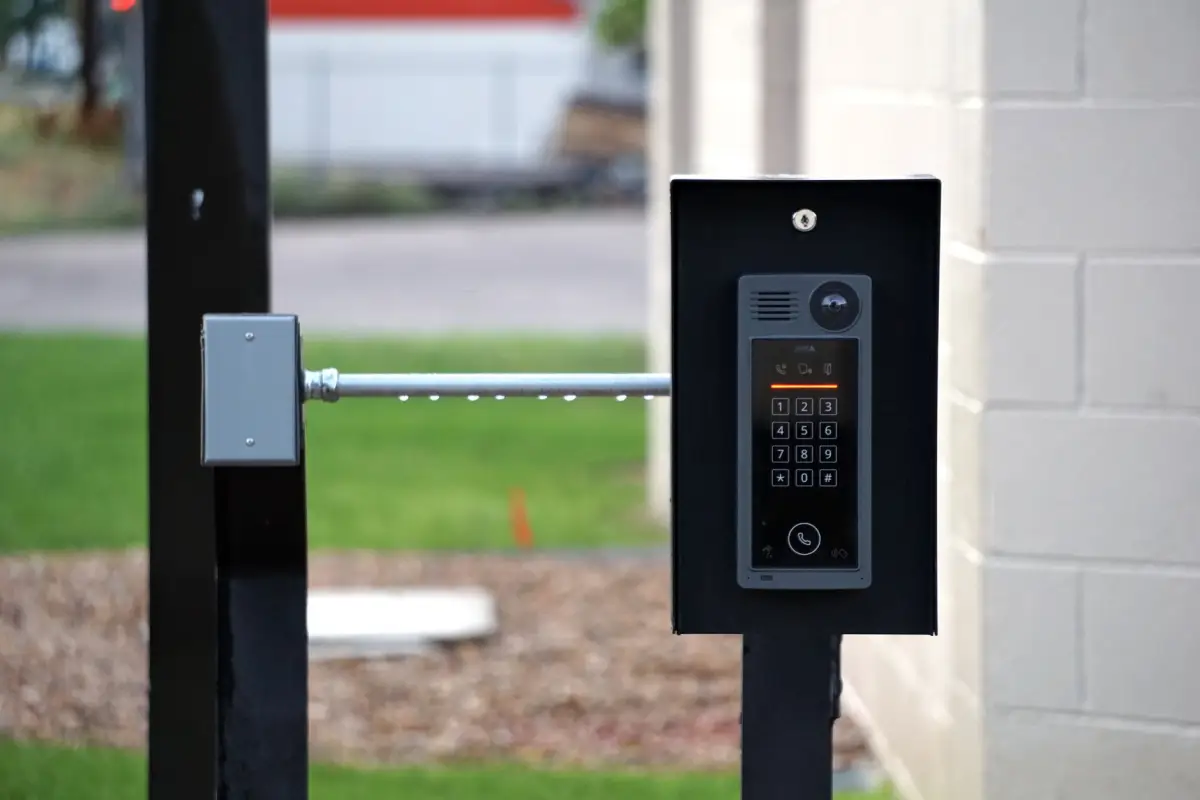
- Entry devices: remotes, keypad, intercom or smartphone control, wired and commissioned
- Battery backup so the gate still operates through a storm outage, plus a documented manual release
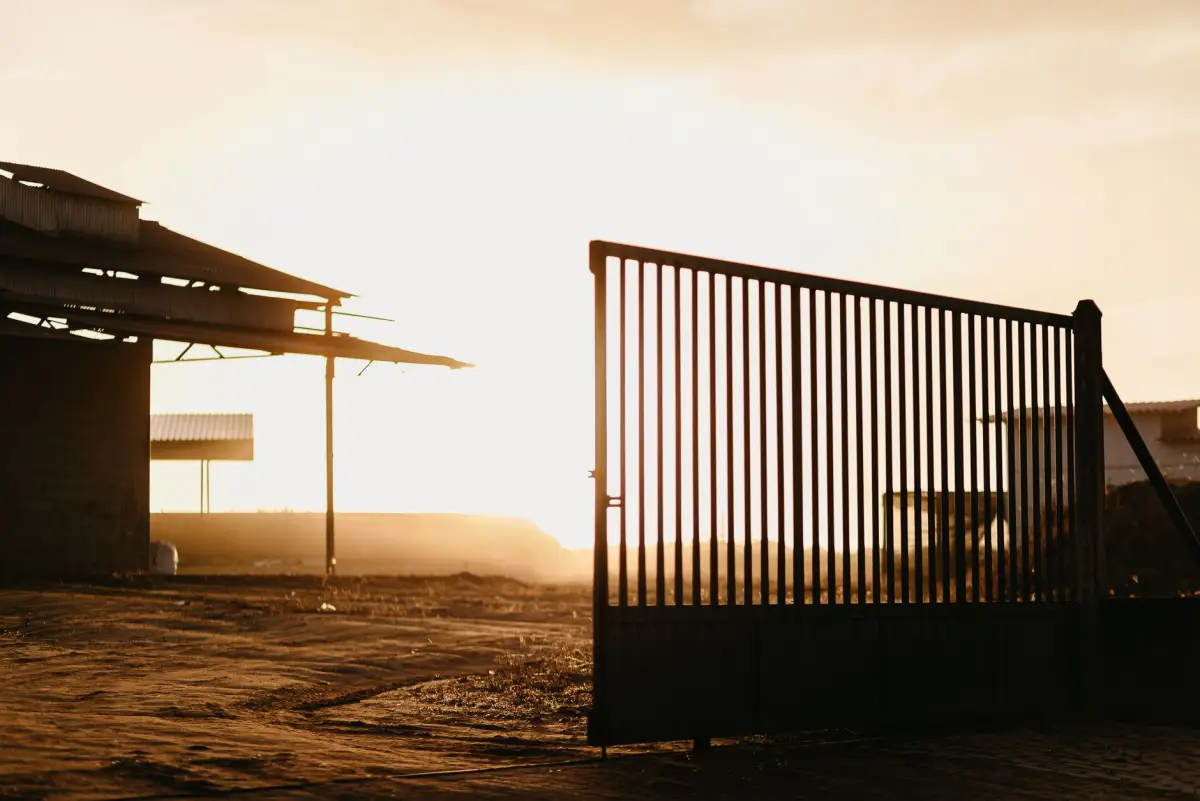
Automatic & Electric Gate Installation in St. Paul, MN
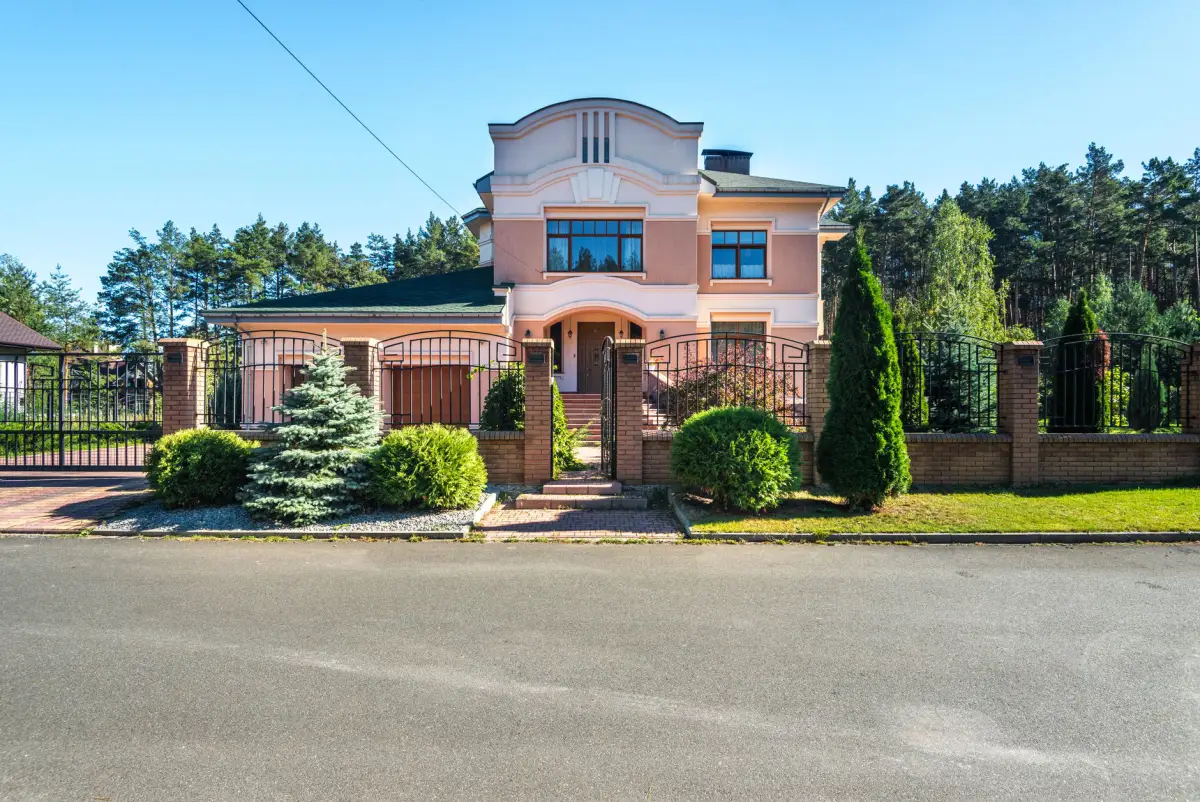
Automatic Driveway Gates
The most common automatic gate in the east metro is a residential driveway gate on a swing operator, and the most common reason one fails early is that the gate was never built to be driven. A leaf that a person could shoulder open through a slight rub will bind under a motor, and the motor will keep pushing — first the limit switch drifts, then the gate stops short of closed, then the arm bends or the gearbox goes. Before an operator is quoted, the leaf gets swung by hand through its full arc to find rubs, the hinge post gets checked for plumb, and the footing gets assessed. If the gate already sagged or dragged as a manual gate, automating it will not fix that; it will accelerate it. Where the existing gate is sound, retrofitting an operator is straightforward. Where it is not, the honest quote covers a new hinge post and footing before it covers a motor.
Electric Sliding Gates
Slide operators drive the gate along its run with a chain, a rack or a belt, and they are the right choice where there is no swing arc but there is clear back-run. The winter problem is specific and worth naming: on a V-track slide gate, the ground track fills with slush, freezes solid, and the gate will not roll. The operator then tries anyway. A well-set operator senses the obstruction and reverses; a badly set one grinds until something in the drive train loses. This is why current-sensing and reversing settings are commissioned on site rather than left at factory defaults, and why cantilever gates — which carry the leaf on roller carriages with no ground track — are worth their extra cost on a drive that never sees the sun in January. Either way, the clear back-run has to stay clear after the plow has been through.
Electric Swing Gates
Swing operators come in two broad families and the choice is about geometry. Articulated arm operators mount to the post and push the leaf through a jointed arm; they tolerate a wide hinge post or a pier and can swing a gate that starts well inboard of the hinge line, which is what you need on a Summit Avenue property where the gate hangs off a masonry pier. Linear ram operators extend along the leaf and are more compact and generally quieter, but they need a tighter geometry between the pivot and the mounting point. Underground operators disappear entirely and cost the most, and in this climate they need drainage designed in, because an operator box that fills with meltwater and then freezes is a spring replacement rather than a spring service call. Leaf weight, leaf length and wind loading on the infill all narrow the choice before appearance does.
Automatic Gate Motors & Operators
Operators are rated by class under UL 325, and the classes describe the application rather than the horsepower: Class I is residential, Class II is commercial or general access, Class III is industrial or limited access, and Class IV is restricted access with supervised operation. Picking one class down to save money is a false economy, because duty cycle is the thing that kills operators — a residential unit installed on a small apartment building's drive will hit its cycle limit and start failing in a way that looks like bad luck and is actually arithmetic. Power supply is the other specification. Where the operator sits at the end of a long conduit run, voltage drop is real and gets designed for. Solar is a legitimate answer for a gate with no practical power route, sized against actual daily cycles and Minnesota winter daylight rather than a summer average, and battery backup belongs on every automated gate here regardless.
Remote & Smart Gate Operation
How the gate gets told to open is the part homeowners interact with, and it is worth separating from how the gate moves. Handheld remotes and visor transmitters are the baseline. A keypad on a gooseneck pedestal at driver height handles guests and contractors without anybody handing out remotes. Loop detectors buried in the drive open the gate automatically on exit, which is what stops people from leaving the gate parked open all day because it is inconvenient. Smartphone control adds remote access from anywhere and a log of who came and went, and cellular-connected callboxes let a visitor reach you when you are not home at all. All of it depends on a signal reaching the gate, which is a real consideration at the end of a long drive with a masonry pier in the way. Deeper access-control options — card readers, fobs, video intercom and multi-tenant systems — are covered on the access control page.
Signs You Need Automatic & Electric Gates
- You are getting out of the car in a February wind to push a gate open, which is the reason most automatic gates get installed
- The gate is being left open all day because operating it manually is inconvenient, which defeats the point of having it
- Deliveries and service visits need to be let in while nobody is home
- The property has enough traffic that a manual gate is a daily nuisance rather than an occasional one
- An existing operator is slow, noisy, stopping short of closed, or reversing for no visible reason
- The gate has no photo eyes or edge sensors, which is both a safety problem and a UL 325 compliance problem
How Automatic & Electric Gates Works
- 1
Assess the gate before specifying the motor
The first visit is about the gate, not the operator. The leaf is swung or rolled by hand through its complete travel to find rubs, binds and dead spots — anywhere it takes noticeably more effort is a place a motor will eventually break something. The hinge post is checked for plumb and the footing for movement, because a post that has heaved will keep heaving and no operator setting compensates for that. Finished leaf weight and length are established, since together they set the operator class. Infill type comes into it too: a solid privacy panel catches wind, and wind load on the leaf is a load on the operator every time the gate cycles in a gust. If the gate already sags, drags or fails to latch as a manual gate, the honest answer is that those get fixed first. Automating a marginal gate does not stabilize it; it puts a motor behind the problem.
- 2
Specify operator class, power and mounting
Operator class is picked against leaf weight, leaf length and realistic cycle count using the UL 325 classes — Class I residential, Class II commercial or general access, Class III industrial or limited access, Class IV restricted access. Cycle count is where people underestimate: a household with three drivers and regular deliveries can double the number they first say. Then power. The route from the panel to the operator gets walked and measured, voltage drop over the run gets accounted for, and where the run crosses a finished driveway the cost of trenching gets put on the table honestly rather than discovered later. Mounting follows the geometry — articulated arm where the gate hangs off a wide pier, linear ram where the pivot geometry is tight, underground where appearance rules and drainage can be designed in. Battery backup is specified as standard here, because storm outages and a gate you cannot open are a bad combination.
- 3
Install, then set travel and force
The operator pad is poured or the post-mount bracket is set, conduit is run, and the unit is mounted true to the leaf's arc or travel line — an operator mounted out of alignment fights the gate on every cycle and wears itself out doing it. Travel limits are set at both fully open and fully closed with the gate at rest, not held. Soft start and soft stop are tuned so the leaf accelerates and decelerates instead of slamming into its stops, which is the single setting that most affects how long the hardware lasts. Force and current-sensing thresholds are set against the actual gate: high enough that a gust or a light frost does not trigger a nuisance reversal, low enough that the operator backs off when it meets something solid. Those thresholds get re-checked in winter, because a gate that needs slightly more force in January should not be compensated for by simply turning the sensitivity down.
- 4
Fit the safeties and commission the entry devices
ANSI/CAN/UL 325 requires two independent entrapment-protection devices at each entrapment zone, and the operator's inherent reversing system counts as only one — so photo eyes, edge sensors, or both go in to satisfy the second. They are aimed, wired and then tested by actually obstructing the gate mid-travel and confirming it stops and reverses, which is the only test that means anything. Entrapment zones on a slide gate include the leading edge, the trailing edge and the space between the gate and the fence it passes; on a swing gate they include the arc and the pinch point at the hinge. Then the entry side gets commissioned: remotes paired, keypad codes set, loop detector or exit wand tuned so it triggers on a vehicle and not on a bicycle, and the manual release demonstrated to whoever will need it during a power failure. Documentation of the release is part of the handover, not an afterthought.
What Do Automatic Gates Cost in St. Paul, MN?
- Whether the existing gate can carry powered cycling, or needs a new hinge post, footing or bracing first
- Operator class required by leaf weight, leaf length and realistic daily cycle count
- Slide versus swing, and for swing, articulated arm, linear ram or underground
- Single leaf or a double pair — a double gate needs two operators and synchronised travel
- Distance and route from the power source to the operator, and whether the conduit run crosses finished pavement
- Safety hardware: photo eyes, edge sensors and any additional devices the entrapment zones call for
- Entry devices — remotes, keypad, loop detector, exit wand, intercom or smartphone control
- Battery backup and, on sites with no practical power route, a solar supply sized to Minnesota winter daylight
The operator is rarely the largest line on an automatic gate quote. Power is. A run from the house panel to an operator on the far side of a 40-foot drive is trenching, conduit and an electrical connection before it is gate work, and if the driveway is already finished that trench is the expensive kind. Where a power route genuinely does not exist, solar is a real option — but it gets sized against January daylight and actual cycle counts, not against a summer average.
What to Look for in a St. Paul Automatic Gate Installer
They look at the gate before quoting the motor
An operator quoted from a photo is a guess about leaf weight, hinge post condition and whether the gate binds anywhere in its travel.
UL 325 devices are on the estimate
Two independent entrapment-protection devices per zone is the standard. If photo eyes and edge sensors are not line items, ask why not.
Operator class is matched to real cycle counts
A residential-class operator on a multi-unit drive will fail on schedule. The class should be justified against the traffic the gate will actually see.
Force settings get tuned, not defaulted
Factory defaults are a starting point. A gate that needs more force in January should be investigated, not compensated for by turning sensitivity down.
Battery backup is standard here
A storm outage is exactly when a gate needs to work. Backup power and a demonstrated manual release belong on every install in this climate.
The handover includes the manual release
Everyone who uses the gate should know how to release it by hand and where the key lives. That is a five-minute conversation that saves a service call.
Residential & Commercial Automatic & Electric Gates
Residential
Automatic driveway and entry gates for single-family properties across St. Paul, Highland Park, Mendota Heights, Woodbury and Eagan — Class I operators, remotes, keypads and battery backup sized for a household's real daily cycles.
Commercial
Automated entrance and yard gates for businesses, apartment buildings and property managers. Higher cycle counts push the operator to Class II or above, and the hardware, safety devices and maintenance interval move with it.
When Automatic & Electric Gates Isn’t the Right Call
- If the gate currently sags, drags or won't latch, fix that first. An operator behind a failing gate breaks the operator as well.
- If there is no practical power route and the gate cycles heavily, solar will disappoint you in January. That is worth knowing before you buy it.
- If the opening is under about eight feet and it is a walk gate, an automatic operator is usually more machine than the job needs.
- If nobody at the property will accept photo eyes and edge sensors on the estimate, we are not the right resource. Entrapment protection is not the place to save money.
- If the property is outside Ramsey, Hennepin, Washington, Dakota or Anoka Counties, find someone closer — automated gates need service, and service means drive time.
Frequently Asked Questions
- What safety equipment does an automatic gate need?
- Two independent entrapment-protection devices at each entrapment zone, per ANSI/CAN/UL 325. The operator's inherent reversing system counts as one of the two, so a second device — photo eyes, an edge sensor, or both — is required. Entrapment zones include the leading and trailing edges of a slide gate, the gap between the gate and the fence it passes, and the arc and hinge pinch point on a swing gate.
- Can I automate the gate I already have?
- Often, yes — if the frame, hinge post and footing can carry powered cycling. The test is simple: swing the gate through its full travel by hand. Anywhere it binds or takes more effort is a place a motor will eventually break something. A gate that already sags or drags needs that fixed first, because automation accelerates the problem rather than masking it.
- What happens to my gate in a power outage?
- With battery backup, it keeps cycling for a period that depends on the battery and the traffic. Without it, you use the manual release — every operator has one, and knowing where it is and how it works should be part of the handover. In this climate battery backup is worth specifying as standard, since the outages that matter tend to arrive with the weather that makes standing outside a gate least appealing.
- Why does my automatic gate stop halfway or reverse for no reason?
- The usual causes are a drifted travel limit, a photo eye knocked out of alignment or fogged over, an obstruction the sensor is seeing that you are not, or force sensitivity set too tight for the conditions. In winter add ice in a slide gate's track and frost heave that has changed the gate's geometry slightly. The wrong fix is turning the sensitivity down until the symptom stops; that removes the protection that was doing its job.
- How many gate operators do I need for a double gate?
- Two — one per leaf — synchronised so they open and close in the correct sequence, since the leaf carrying the drop rod or overlapping stile has to close last. Some systems drive both leaves from one control board with two arms. Either way it is two operators' worth of hardware, which is part of why a double gate costs more to automate than a single one of the same total width.
- Do automatic gates work reliably in Minnesota winters?
- Yes, when the gate underneath is right and the settings are commissioned for the season. The failure modes here are specific: ice packing a V-track slide gate's ground track, frost heave shifting a shallow footing and changing the gate's geometry, and force thresholds that were set on a mild day. A cantilever slide gate with no ground track, footings at the full 42-inch Zone II depth, and force settings re-checked before winter deal with most of it.
Learn More
- DASMA — Vehicular Gate Operators and the ANSI/CAN/UL 325 Standard — operator classes, entrapment zones and the two-device entrapment-protection requirement, from the manufacturers' association
- DASMA — An Installer's Guide to ASTM F2200 — the construction specification automated vehicular gates have been built to since July 2002
- Minnesota Rules 1303.1600 — Footing Depth for Frost Protection — the 42-inch Zone II minimum that keeps an automated gate's geometry from moving with the frost
Need Automatic & Electric Gates in St. Paul, MN?
Tell us what’s going on and get an on-site estimate — no charge for the visit, and no obligation to book the work.
Get My Free Estimate