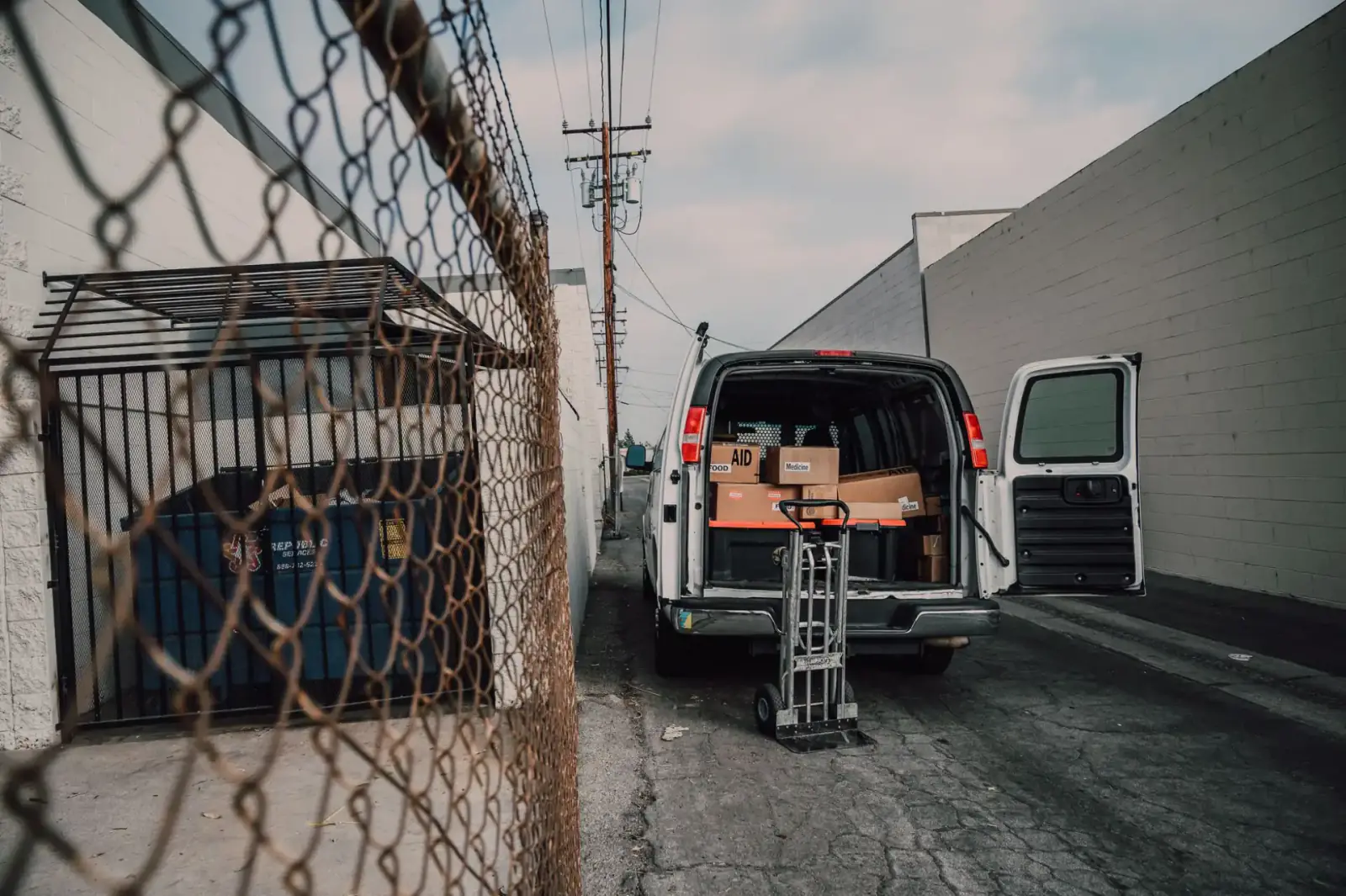
Commercial Gate Repair & Maintenance in St. Paul, MN — Business & Facility Gates
Commercial gates fail on a schedule, not by accident. The repair is the easy part; finding out why the component wore out is what stops it repeating.
Commercial Gate Repair & Maintenance in St. Paul, MN
St. Paul Elite Metal Gates is your local resource for commercial gate repair, preventative maintenance, gate operator service and access control throughout St. Paul and Ramsey, Hennepin, Washington, Dakota and Anoka Counties. We work with experienced local gate specialists who treat repeated failures as a specification problem rather than bad luck.
A commercial gate that fails twice in a year is telling you something, and it is usually not that the parts were bad. Hardware has a life measured in cycles, so a component that keeps wearing out is either rated below the site's duty, running out of alignment, or being asked to move a gate that has become harder to move. Replacing the part answers none of those and buys the same failure again on the same schedule.
The other thing commercial repair has to account for is downtime. A stuck entrance puts trucks on the street and staff outside the fence, so the useful sequence is a temporary safe state first, diagnosis second, permanent repair third — rather than a diagnostic visit that leaves the gate exactly as it was found.
What’s Included in a St. Paul Commercial Gate Repair & Maintenance Quote
- Temporary safe state where the gate is blocking operations — secured open or closed, with the safety implications stated
- Full-system diagnosis: gate movement by hand, drive train, operator electronics, safeties, power supply and detection loops
- Root-cause analysis on repeated failures — duty rating, alignment or a gate that has become harder to move
- Track, roller and carriage service or replacement, in sets rather than singly
- Hinge, latch, drop rod and hardware replacement at cycle ratings matched to the site's real traffic
- Frame repairs: squaring racked leaves, replacing impacted sections, and adding bracing that was never there
- Safety device repair and re-testing to ANSI/CAN/UL 325 by physically obstructing the gate
- A preventative maintenance schedule with intervals tied to cycle count, not to the calendar
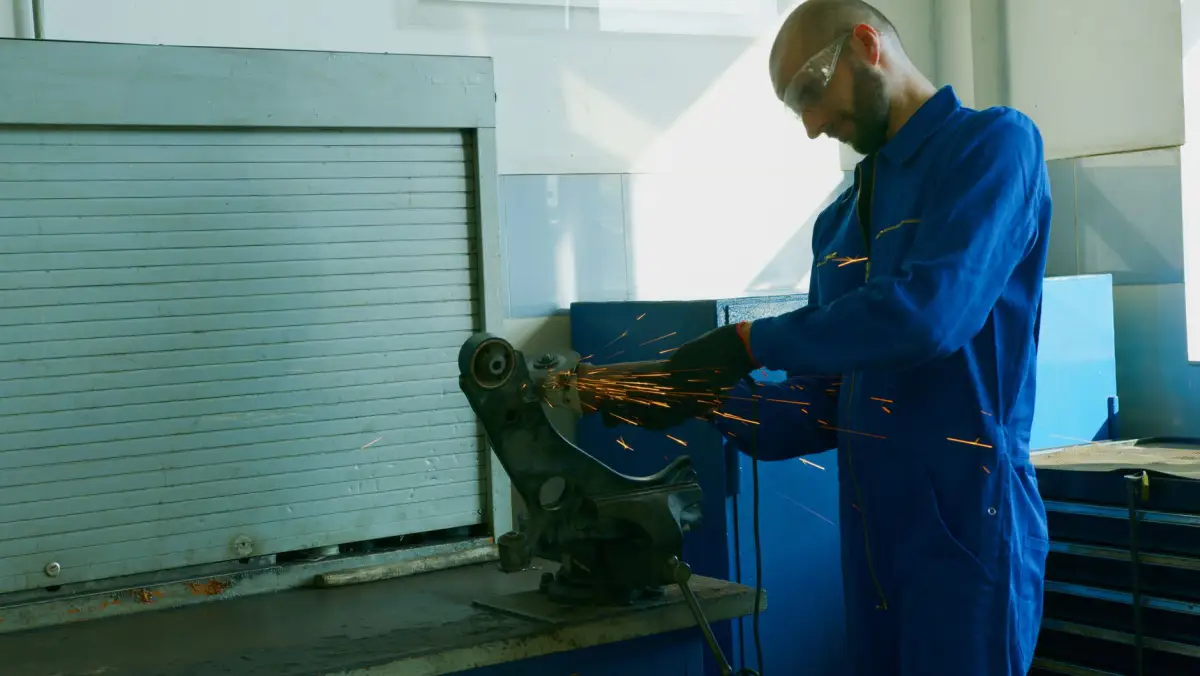

Commercial Gate Repair & Maintenance in St. Paul, MN
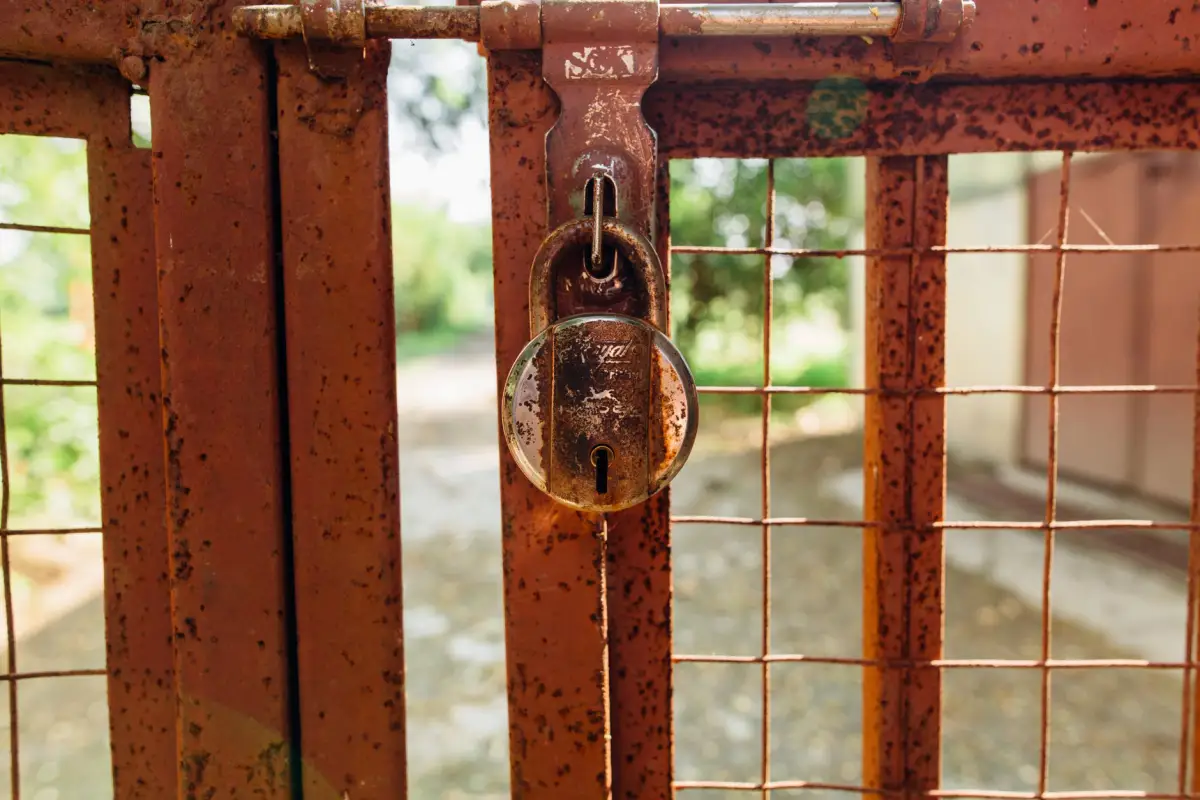
Commercial Automatic Gate Repair
The everyday commercial calls are the gate is stuck open, the gate won't close, the gate opens partway and reverses, or the gate cycles when nobody triggered it. The diagnostic order is the same as residential but the stakes are higher, so it starts with the gate itself: put the operator on manual release and move the gate by hand. If it is stiff or binds, the operator was doing its job and the fault is mechanical. If it moves freely, the fault is electrical or in the detection system. Stuck open is most often a safety device holding it there by design — a blocked, iced or misaligned photo eye, or a safety loop that has failed detecting. Random cycling is usually a loop detector that needs re-tuning after pavement work or frost movement. On sites where a stuck gate stops operations, the first action is a documented safe state rather than an extended diagnosis at the gate.
Commercial Gate Motor & Operator Repair
Commercial operators fail from duty before they fail from age, and the failure pattern tells you which. Thermal cutout during a morning peak and normal operation later means the unit is running at or beyond its duty rating, which is a specification problem that no repair fixes — the answer is an operator at the correct UL 325 class, or reducing cycles by taking pedestrians and light traffic off the vehicle gate. Worn drive components — a stretched chain, a rounded sprocket, a worn rack, play in an arm joint, a leaking ram seal — are wear items with predictable lives, and on a busy entrance they are maintenance rather than emergency repair if they are inspected on schedule. Control board faults, contactor pitting and supply problems such as voltage drop over a long yard run round out the list. Fault codes get read and reported rather than parts being swapped hopefully.
Sliding Gate Track & Roller Repair
On commercial slide gates this is the highest-volume repair category, because the track is on the ground where the traffic is. Symptoms: the gate came off track, the gate drags, the gate needs a shove or the operator strains, there is a grinding noise partway along the run, or the gate stops short and won't fully open. Causes, in order of frequency: a worn, cracked or seized roller; debris in the track — gravel, wet leaves, and in this metro packed slush that freezes solid; a track that has flattened, peened at the ends or lifted where the apron beneath it heaved; and a carriage worn out on a cantilever gate. Rollers are replaced in sets, because one new roller against three worn ones takes the whole load and fails next. Where the track keeps failing, the honest recommendation is often a cantilever conversion rather than a fourth repair.
Commercial Gate Hardware & Alignment Repair
Alignment problems present as the gate won't latch, the two leaves of a double gate no longer meet, the drop rod won't drop, or the automatic gate stops an inch short of closed. The cause is either that the geometry moved or the hardware wore, and separating those is the first job. On commercial sites the geometry moves for two reasons: frost heave on a footing set shallow of the 42-inch Zone II minimum, and impact — commercial gates get hit by vehicles and equipment far more often than residential ones. A racked leaf gets pulled square and re-braced rather than having its keeper relocated, because moving hardware to meet a dropped gate conceals a fault that will keep progressing. Impacted sections get cut out and replaced, and where the original build lacked bracing adequate for the leaf, that gets added during the repair rather than left for next time.
Preventative Commercial Gate Maintenance
Preventative maintenance on a commercial gate is worth more than on almost any other piece of site equipment, because the failure cost is disproportionate to the repair cost — a $200 roller that seizes can stop an entrance for a morning. The interval should be tied to cycles rather than the calendar: a high-traffic entrance may want quarterly attention while a service gate is fine annually. A visit covers roller, carriage and track condition, drive chain or rack wear and tension, arm and ram condition, hinge and latch wear, force and limit settings, loop detector tuning, and a physical obstruction test of every safety device. Two visits are fixed regardless of cycles: a pre-winter check on force settings, track clearance and apron drainage, and a spring check once the freeze-thaw season has finished moving footings.
Signs You Need Commercial Gate Repair & Maintenance
- The gate is stuck open or closed and vehicles are backing up onto the street
- The same component has been replaced more than once in a year
- The operator works in the afternoon but cuts out during the morning peak
- A slide gate has come off track, drags, or the operator sounds like it is straining
- The gate was hit by a vehicle or a forklift and no longer closes square
- A photo eye or safety loop has failed and someone has suggested bypassing it
- Nobody on site can say when the gate was last serviced or what was checked
How Commercial Gate Repair & Maintenance Works
- 1
Make it safe, then diagnose
On a commercial site the first question is whether the gate is blocking operations, and if it is, the first action is a documented safe state — secured open with the safety implications stated plainly, or secured closed with a manual access route identified — rather than an extended diagnosis while trucks queue on the street. Once that is settled, the diagnosis follows a fixed order. The operator goes on manual release and the gate is moved by hand through its full travel, which separates a mechanical fault from an electrical one in under a minute. Supply voltage is measured at the board. Safety devices and detection loops are checked, since a device holding the gate open is doing its job and reads as a failure. Fault codes are read and written down. Only then is anything quoted.
- 2
Find out why the part failed
On a commercial gate the failed component is usually a symptom. A roller that seized may have been undersized for the leaf, or the track may be out of line and loading it unevenly, or the apron may be draining into the track. An operator that burned out may have been a class below the site's duty, or the gate may have become progressively harder to move. A hinge that wore oval may be carrying a leaf that racked years ago. Establishing which of those applies is what separates a repair from a recurring cost, and it usually takes a measurement rather than an opinion: leaf weight, track alignment checked with an instrument, cycle count from the operator's own counter where it has one, and current draw compared against the operator's rating.
- 3
Repair to the correct rating and correct the geometry
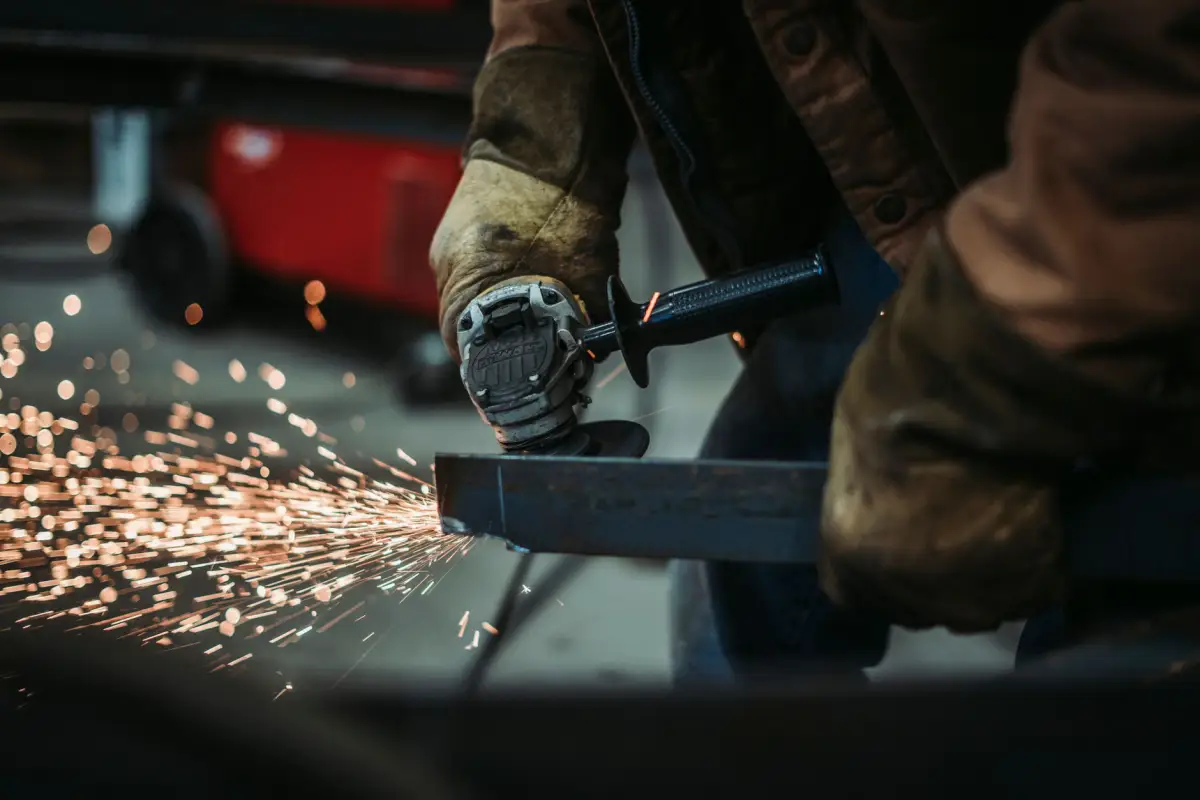
Geometry first: a racked leaf is pulled square and braced, an impacted section is cut out and replaced, a heaved post is excavated and reset to the 42-inch Zone II depth Minnesota Rules 1303.1600 requires, and a misaligned track is reset to line with the apron corrected to drain. Only then does hardware go back in, specified at cycle ratings matched to the site's measured duty rather than to what came out — because what came out is frequently the reason the failure happened. Rollers and carriages go back in sets. Every weld, cut and ground area gets re-coated with zinc-rich primer and a topcoat, which on a commercial gate exposed to de-icer is not cosmetic: the plow-spray zone is where the next corrosion failure starts, and an uncoated repair there has a short and predictable life.
- 4
Re-commission, re-test safeties, set an interval
Travel limits are re-set with the gate at rest, soft start and soft stop are re-tuned so a heavy leaf decelerates into its stops rather than hitting them, and force thresholds are set against the gate's actual condition — with any increase recorded as a finding rather than quietly accepted, because a gate needing more force is a gate telling you something. Every safety device is re-tested by physically obstructing the gate at each entrapment zone, as ANSI/CAN/UL 325 requires two independent devices per zone. Detection loops are re-tuned. Then a preventative interval is set against the site's cycle count and written down, along with which components are wear items, what their expected life is at this duty, and which spares are worth stocking for a critical entrance.
What Does Commercial Gate Repair Cost in St. Paul, MN?
- Whether the fault is mechanical, electrical, or a gate that has become harder to move
- Downtime urgency — an after-hours or same-day response on a blocking failure is priced differently from a scheduled visit
- Whether the geometry has to be corrected: squaring a racked leaf, replacing impacted sections, resetting a heaved post
- Track and carriage condition, and whether a repeatedly failing V-track warrants a cantilever conversion instead
- Hardware cycle ratings, since repairing at the correct rating costs more than repairing like-for-like and lasts
- Operator age, parts availability and whether the unit was the correct UL 325 class for the site to begin with
- Coating repair extent across welds, cuts and impacted areas in the de-icer exposure zone
- Whether a preventative maintenance agreement is put in place and at what interval
The number worth comparing on a commercial gate repair is not the invoice — it is how long the repair is expected to last at your cycle count. A like-for-like replacement of a component that was underrated to begin with will always quote lower and will always be back. Where the same part has failed twice, the correct quote addresses the rating or the alignment, not just the part.
What to Look for in a St. Paul Commercial Gate Repair Company
They make it safe before they diagnose
A blocking failure on a commercial entrance needs a documented safe state first. Diagnosis while trucks queue is the wrong order.
Repeated failures get a root cause
The same part failing twice is a rating or alignment problem. A quote that just replaces it again is a subscription.
Rollers go back in sets
One new roller against worn ones carries the load alone. Replacing singly is a repair you will pay for twice within a season.
Safeties are re-tested by obstruction
The only meaningful test of a photo eye or edge sensor is putting something in the gate's path. Anything else is a visual check.
Force increases are reported
If a gate now needs more force than it did, that is a finding. Turning the threshold up and moving on hides the next failure.
An interval gets written down
Cycle-based maintenance is what turns unplanned commercial downtime into scheduled work. Ask for the interval and the wear-item list.
When Commercial Gate Repair & Maintenance Isn’t the Right Call
- If a component has failed repeatedly and the site will only pay for another like-for-like replacement, we are not the right resource — that is a subscription rather than a repair.
- If what is wanted is a safety device bypassed so the gate stops nuisance-tripping, that is the one repair not on offer at any price.
- If the operator is well out of support and its drive components are worn, replacement at the correct class is the honest recommendation rather than a third repair.
- If the gate was specified at residential ratings for a commercial site, repairs will keep coming. That is a replacement conversation, not a service one.
- If the site is outside Ramsey, Hennepin, Washington, Dakota or Anoka Counties, find someone closer — commercial response time is most of the value.
Frequently Asked Questions
- Our commercial gate keeps failing. Why?
- Usually one of three things. The hardware or operator was specified below the site's duty cycle, so it wears out on a predictable schedule. Something is out of alignment and loading one component unevenly. Or the gate has become harder to move — a heaved footing, a racked leaf, a failing track — and everything downstream is compensating. Replacing the failed part without establishing which of those applies buys the same failure again.
- The gate is stuck and trucks are queuing. What happens first?
- A documented safe state, before diagnosis. Depending on the fault and the site's security requirements that means securing the gate open with the implications stated, or securing it closed with a manual access route identified for staff and deliveries. Diagnosis and repair follow once operations are moving again. A visit that leaves the gate exactly as it was found is not a useful visit on a commercial entrance.
- How often should a commercial gate be serviced?
- On cycles, not on the calendar. A high-traffic entrance may need quarterly attention to rollers, carriages, track, drive tension and safety devices, while a lightly used service gate is often fine annually. Two visits are fixed regardless: a pre-winter check on force settings, track clearance and apron drainage, and a spring check after the freeze-thaw season has finished moving footings.
- Can you convert a V-track gate that keeps icing up?
- Often, yes — converting to a cantilever system removes the ground track entirely, which removes the failure. It is not a small job: cantilever gates need roughly 50 percent more clear back-run than the opening width and heavier carriage posts with new footings. Where a V-track gate has been repaired three winters running, the conversion usually costs less than the next three.
- Is it worth repairing an older commercial gate operator?
- It depends on parts availability and on whether the unit was the right class to begin with. A supported operator with a worn but replaceable drive component is worth repairing. An out-of-support unit with worn drive train, or one that was a class below the site's duty from day one, is a replacement — and being told that on the first visit is worth more than two cheap repairs and a third failure.
- Do you offer maintenance agreements?
- The useful version of one is built around your cycle count rather than a fixed calendar, with a named wear-item list, expected component lives at that duty, and a decision about which spares are worth stocking on site for a critical entrance. That turns most commercial gate failures from unplanned downtime into scheduled work, which is where the actual saving is.
Learn More
- DASMA — ANSI/CAN/UL 325 and Gate Installations — the entrapment zones and protection requirements a commercial repair has to leave intact and re-test
- DASMA — An Installer's Guide to ASTM F2200 — roller retention, gap and guarding requirements that a repair on an automated commercial gate must preserve
- Minnesota Rules 1303.1600 — Footing Depth for Frost Protection — the 42-inch Zone II minimum behind the spring wave of alignment failures on commercial gates
Need Commercial Gate Repair & Maintenance in St. Paul, MN?
Tell us what’s going on and get an on-site estimate — no charge for the visit, and no obligation to book the work.
Get My Free Estimate