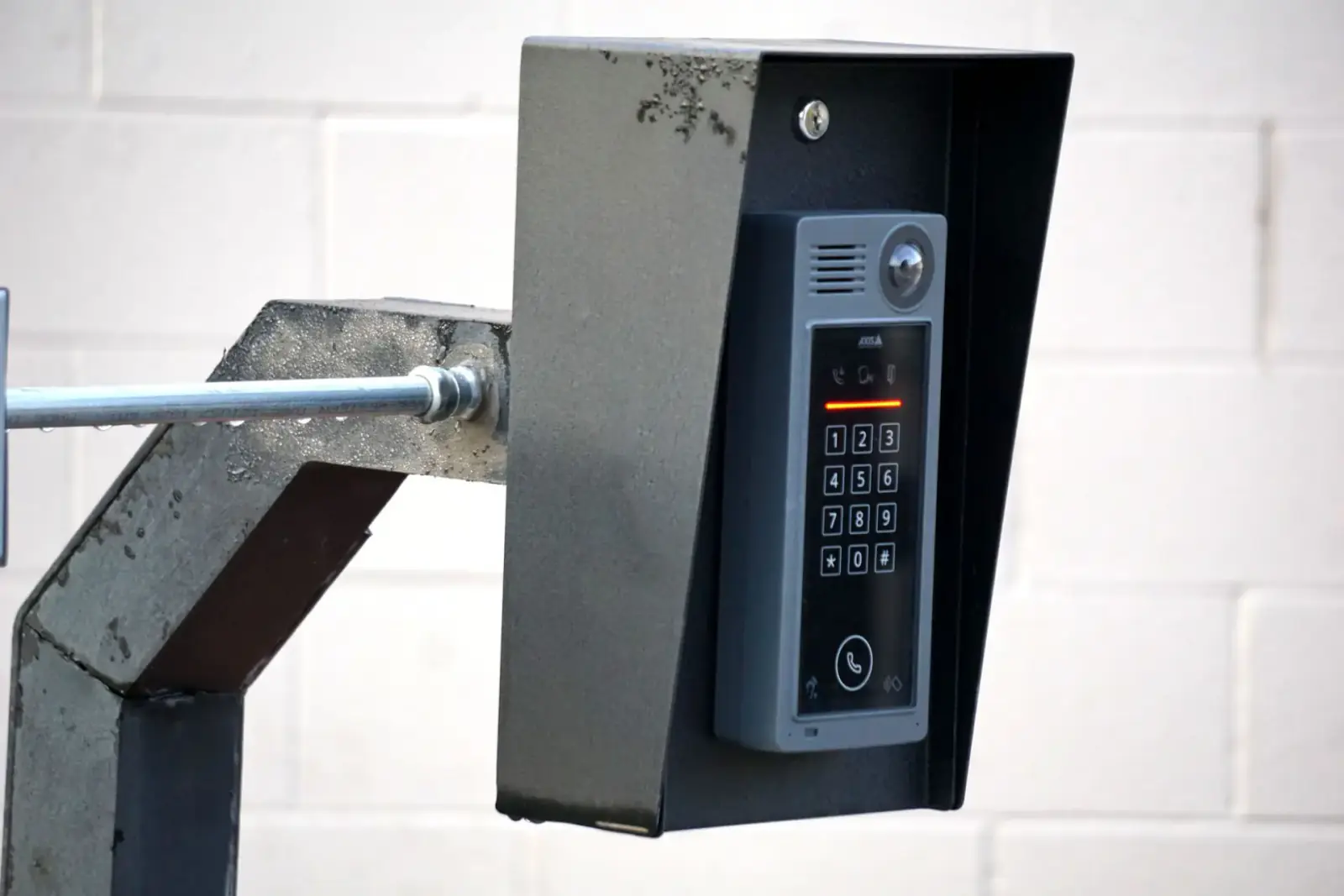
Gate Access Control Systems in St. Paul, MN — Residential & Commercial Entry Systems
The gate is the easy part. Deciding who gets in, how you revoke it, and what happens when the power or the cell signal drops is the actual system.
Gate Access Control Systems in St. Paul, MN
St. Paul Elite Metal Gates is your local resource for gate access control systems, automatic gates, gate operators and ornamental iron fencing throughout St. Paul and Ramsey, Hennepin, Washington, Dakota and Anoka Counties. We work with qualified local gate and access-control specialists who commission the whole system rather than hanging a keypad on a post.
Access control is a credentials problem before it is a hardware problem. A key can be copied and cannot be un-copied. A shared code gets passed to a dog walker, a cleaner and eventually to somebody nobody remembers authorising. The question that should drive the specification is not which device looks best on the pedestal — it is how you remove one person's access without changing everyone else's, and whether you need a record of who came and went.
Everything after that is fitting the method to the traffic. A household with four drivers and occasional deliveries needs something very different from a twelve-unit building where tenants change, or a contractor's yard where crews arrive before dawn. And in this climate every choice carries a winter caveat: keypads that collect meltwater at the backplate, readers that need a glove removed at fifteen below, cellular callboxes on a signal that a masonry pier already weakens, and battery backup that decides whether any of it works during a storm outage.
What’s Included in a St. Paul Gate Access Control Systems Quote
- A credentials plan first: who needs access, how it gets granted, and how it gets revoked for one person
- Device selection matched to the users — keypad, fob, card, intercom, app or vehicle detection, or a combination
- Controller or operator-board capability check, since not every gate operator supports every credential type
- Pedestal, gooseneck or wall mounting positioned at driver height and reachable without opening the car door in winter
- Conduit, low-voltage cabling and power supply, with voltage drop accounted for over long runs
- Loop detectors or exit devices so the gate closes behind traffic rather than being left standing open
- Network or cellular connectivity where the system needs it, with signal verified at the gate rather than at the house
- Battery backup, documented fail-safe behaviour, and handover training on adding and removing users
Gate Access Control Systems in St. Paul, MN
Keypad Gate Entry Systems
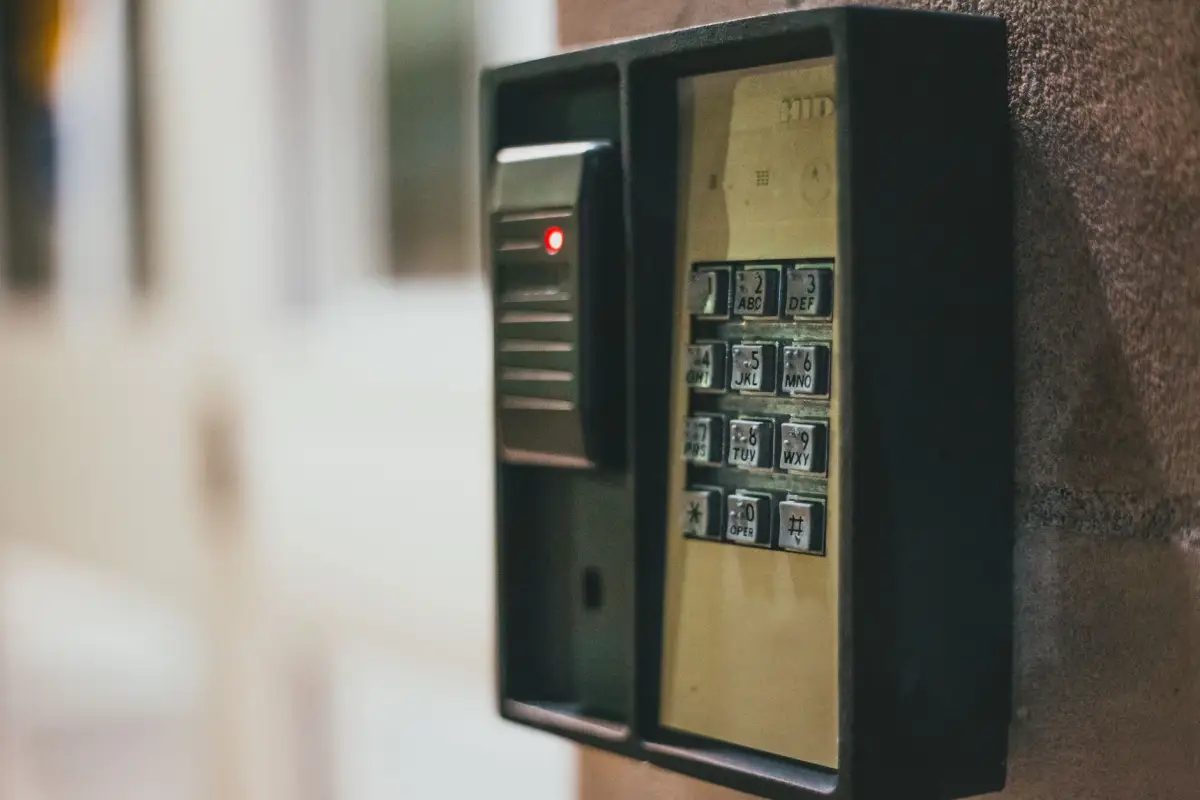
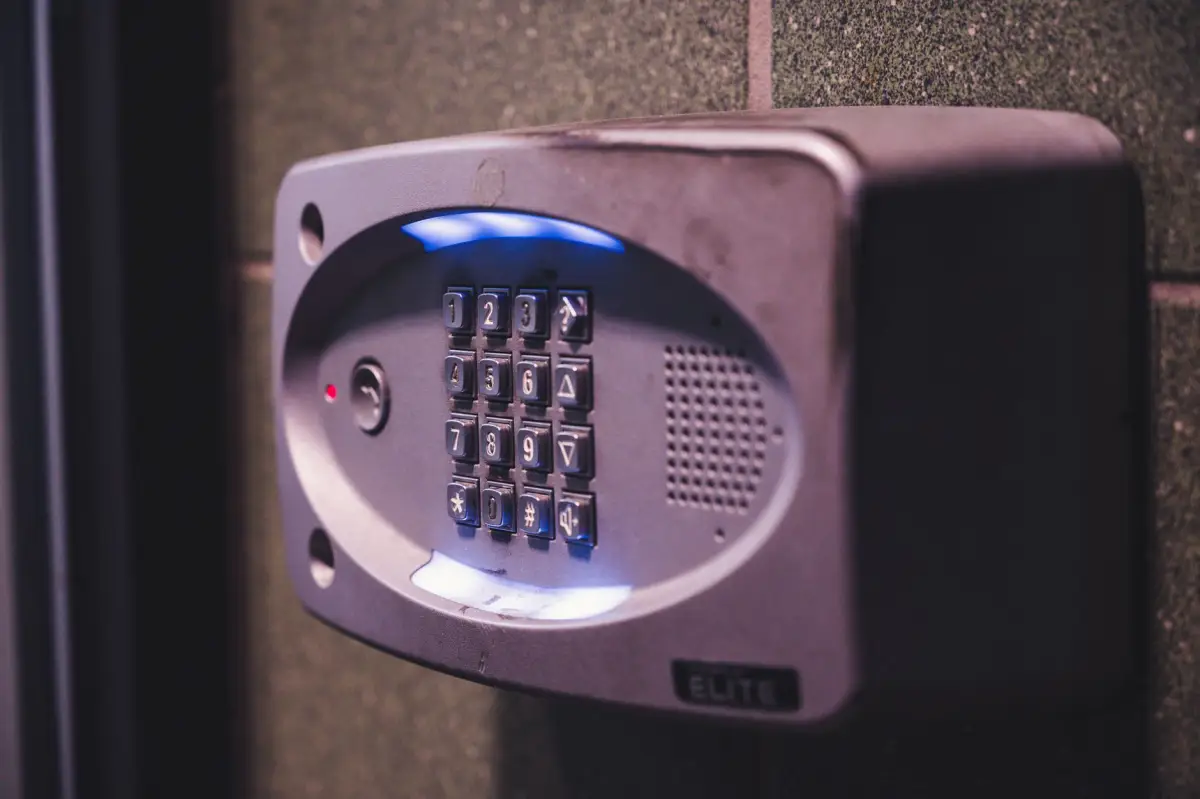
A keypad is the cheapest way to give access to people who do not need a device, and it is the right first system for most single-family properties. The important feature is not the keypad itself but whether it supports multiple independent codes: a unit with one shared code means revoking access for one person means changing it for everyone, which in practice means it never gets changed. Per-user codes, temporary codes with an expiry, and a delivery code that only works during certain hours are all worth more than a nicer bezel. Practical winter notes: metal keypads at fifteen below require a bare hand or a thin glove, backlighting matters at 4:30pm in December, and the most common failure is moisture ingress at the backplate where the conduit enters, which is a mounting and sealing issue rather than a product defect.
Card & Key Fob Gate Access
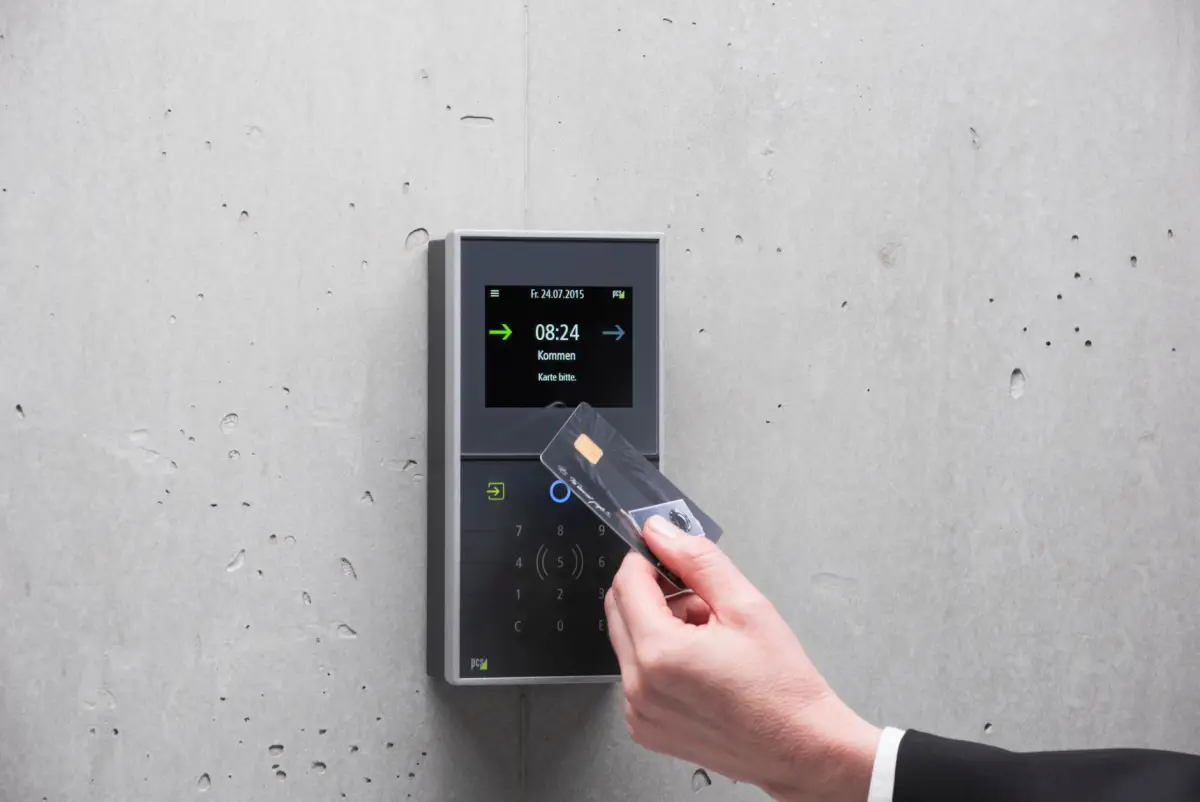
Fobs and cards move access from something people remember to something they carry, which suits sites where codes would inevitably be shared — apartment buildings, contractor yards, shared parking. The real advantage is administrative: a lost or unreturned fob is deleted from the controller in seconds, and nobody else is inconvenienced. That only works if the system has a controller with a credential database rather than a reader that simply accepts any fob programmed to it, and that distinction is worth confirming before purchase. Proximity readers work through a glove, which matters more here than in most markets, and long-range readers can pick up a credential as a vehicle approaches so nobody puts a window down at ten below. Reader placement is the practical constraint: mounted for a car, a reader is at the wrong height for anyone on foot.
Telephone & Video Intercom Systems
An intercom answers a different question from a keypad: not how do authorised people get in, but how does an unexpected visitor reach you. Audio callboxes connect a visitor to a handset or a phone; video adds the ability to see who is asking before the gate moves, which changes the decision quality substantially. Cellular-connected callboxes are the significant development, because they let a visitor reach you when nobody is on the property at all, and they remove the need to run a phone line to the end of a drive. Multi-tenant directories serve buildings where each unit needs its own entry. The considerations here are signal and sightline: cellular coverage gets tested at the gate rather than assumed from the house, and a camera aimed into a low winter sun or straight at a headlight will show you a silhouette rather than a face.
Smartphone & Remote Gate Access
App-based access adds three things a keypad cannot: opening the gate from anywhere, granting access to someone without meeting them or sharing a code, and a log of who opened it and when. For a household expecting deliveries and service visits, that log is often the most valuable part — it turns 'did the cleaner come Tuesday' from a question into a record. Practically, it depends on connectivity at the gate, which is worth verifying rather than assuming: a controller at the end of a long drive behind a masonry pier may need a cellular module, a directional antenna or a hardwired network run. It also depends on a fallback. Phones lose charge, apps get updated, and networks go down, so a smartphone system without a keypad, fob or physical override alongside it is a system with a single point of failure standing between you and your driveway.
Vehicle Gate Access Control Systems
Vehicle-specific detection is what stops a gate from being left open because operating it is inconvenient. An exit loop buried in the drive detects a vehicle approaching from inside and opens the gate automatically, so nobody has to reach for anything on the way out. A safety loop under the gate's path prevents it closing on a stopped vehicle. Exit wands and free-exit probes do a similar job where cutting a loop into the pavement is impractical. Longer-range options — a windshield tag read as the vehicle approaches, or a plate reader on a commercial site — remove the stop entirely. Two local caveats: loops are cut into the drive surface, so they get planned before resurfacing rather than after, and a loop detector needs re-tuning after pavement work or a hard frost season that has moved the slab. Loop sensitivity that triggers on a bicycle is a setting, not a defect.
Codes vs. Credentials vs. App: Which Fits Your Property
Keypad codes
Cheapest, nothing to carry, works with no phone and no network. Only as good as the unit's support for multiple independent codes — a single shared code cannot be revoked for one person.
Fobs and cards
Individually revocable in seconds if there is a real controller behind the reader. Works through a glove. Needs someone to administer the credential list, and someone to chase fobs that never came back.
Smartphone access
Remote opening, granting access without meeting anyone, and a log of every entry. Depends entirely on connectivity at the gate and needs a keypad or fob fallback so a flat phone does not lock you out.
Signs You Need Gate Access Control Systems
- The gate is being left open because operating it is inconvenient, which removes the point of having it
- Someone has moved out, left the company or finished a job and you cannot revoke just their access
- The code has not been changed in years and you have lost track of who knows it
- Deliveries and service visits need access when nobody is home
- You want a record of who entered and when, not just a gate that opens
- A tenant, contractor or family member needs access on a schedule rather than permanently
- The existing keypad has stopped responding, is full of moisture, or the buttons have worn illegible
How Gate Access Control Systems Works

- 1
Map the users before choosing the hardware
The specification starts with a list of who needs to get in and under what conditions. Household members with vehicles. Family who visit weekly. A cleaner on Thursdays. Deliveries at unpredictable hours. A contractor for six weeks. Each of those has a different answer, and the list is what reveals whether one shared code is workable or whether individually revocable credentials are required. The second question is what happens when access ends — someone moves out, a crew finishes, a fob is lost — because a system where revoking one person means re-issuing everything will not be maintained, and an unmaintained access system is a shared code taped to a fridge. Only after that does device selection start, and by then most of the choice has already been made by the requirements rather than by the catalog.
- 2
Check what the gate and its operator can actually support
Access devices connect to something, and the something is usually the gate operator's control board or a separate access controller. Not every board accepts every input, supports multiple credential types, or has the relay capacity for what is being asked. Where a credential database and an entry log are needed, a dedicated controller usually goes in alongside the operator rather than trying to make the operator do a job it was not designed for. Power and cabling get planned here too: low-voltage runs to the gate, voltage drop over distance, whether existing conduit has spare capacity or a new run is needed, and where the network or cellular connection is coming from. Signal gets tested at the gate itself, standing where the device will be mounted, because a masonry pier and forty feet of drive change cellular coverage more than people expect.
- 3
Mount, cable and commission for winter as well as summer
Mounting position is a usability decision. A pedestal at driver height, set back far enough that a vehicle can reach it without folding a mirror, is the difference between a system used as intended and one where everyone opens the door and steps out — which at fifteen below is how gates end up propped open. Pedestrian devices go at a separate height, since a reader set for a car window serves nobody on foot. Cable entries are sealed at the backplate, because moisture ingress there is the single most common cause of keypad failure in this climate. Backlighting is checked in the dark rather than assumed. Where a loop is being cut into the drive, it is placed and sealed properly and then tuned so it detects a car reliably without triggering on a passing bicycle.
- 4
Set the fail-safe behaviour and hand over the admin
Two things get decided explicitly rather than by default. First, what the system does when the power fails: with battery backup the gate keeps operating, and without it the manual release becomes the only way through — which for a security-driven install means the intended failure state should be closed, and for a pedestrian gate on a maglock means the hardware has to fail in the direction that lets people out, which is a life-safety requirement. Second, who administers it. Adding and deleting users, setting temporary codes and reading the entry log are things the owner will need to do without calling anyone, so the handover includes doing each of them once, hands-on. Along with that: the manual release demonstrated, spare credentials accounted for, and the default installer code changed — which is routinely left as shipped.
What Do Gate Access Control Systems Cost in St. Paul, MN?
- Number and type of entry devices, and whether readers are needed at both vehicle and pedestrian heights
- Whether a dedicated access controller with a credential database and entry log is required, or the operator board suffices
- Cabling and conduit distance from the power and network source to the gate, including voltage drop over long runs
- Connectivity method — hardwired network, Wi-Fi bridge or cellular module — and what the signal at the gate actually supports
- Loop detectors cut into the drive surface, exit wands, or long-range vehicle credential readers
- Intercom type: audio only, video, or a multi-tenant directory unit
- Mounting hardware: gooseneck pedestal, wall mount or masonry pier installation
- Battery backup, surge protection and any electrical work required at the supply end
The device on the pedestal is rarely the biggest number. Getting power and a signal to it usually is — a low-voltage run and a network path to a gate at the end of a long drive is trenching and cabling before it is access control. Where the drive is already finished, a cellular module often costs less than the trench it avoids, provided the signal at the gate has been tested standing where the device will actually be.
What to Look for in a St. Paul Gate Access Control Installer
They ask who needs access before what you want to buy
The user list determines the system. An installer who leads with a product rather than that question is selling hardware, not solving the problem.
Revocation is part of the design
Ask how you remove one person's access. If the answer is 'change the code for everyone', the system will not be maintained.
Signal is tested at the gate
Cellular coverage at the house is not coverage at the pedestal forty feet down a drive with a masonry pier in the way.
Mounting height is a considered decision
A keypad a driver has to open the door to reach is a keypad that will lead to a propped-open gate by February.
Fail-safe behaviour is stated
What happens on a power cut should be a design decision with a documented answer, particularly on any pedestrian gate with electric locking.
The handover includes doing it yourself
Adding a user, deleting a user and reading the log should each be done once by you before the installer leaves, along with changing the default installer code.
Residential & Commercial Gate Access Control Systems
Residential
Keypads, fobs, video intercom and smartphone entry for houses across St. Paul, Highland Park, Mendota Heights, Woodbury, Eagan and Shoreview — set up so deliveries and visitors work without handing out a code that never changes.
Commercial
Multi-tenant directories, card and fob systems with revocable credentials, entry logging, vehicle detection and integration with existing building access for businesses, apartment buildings and property managers across the east metro.
When Gate Access Control Systems Isn’t the Right Call
- If the gate itself is unreliable, fix that first. Access control on a gate that sticks just gives you a faster way to discover it is stuck.
- If nobody at the property will administer the credential list, a simple multi-code keypad will serve you better than a system that needs managing.
- If cellular signal at the gate is genuinely poor and there is no path for a wired run, an app-based system will frustrate you. That is worth knowing before it is installed.
- If what you actually need is to see who is at the gate rather than control who gets in, a camera and an intercom are the cheaper and more useful purchase.
- If the property is outside Ramsey, Hennepin, Washington, Dakota or Anoka Counties, look for someone closer — access systems need occasional hands-on service.
Frequently Asked Questions
- What is the best gate access system for a single-family home?
- Usually a keypad that supports multiple independent codes, paired with remotes for the household and an exit loop so the gate closes behind you automatically. That covers residents, guests and deliveries without anyone carrying extra hardware. Add a video intercom if you want to see who is asking before the gate moves, and smartphone access if you want to let people in while you are away and keep a log of entries.
- How do I remove access for one person without changing everything?
- You need a system with individually revocable credentials — per-user keypad codes, fobs registered to a controller, or app-based users. Deleting one entry takes seconds and affects nobody else. A single shared code cannot do this, which is why shared codes tend to survive long after the people who know them have moved on.
- Do gate keypads work in Minnesota winters?
- Yes, with two caveats worth designing around. Metal keypads at fifteen below need a bare hand or a thin glove, which is a reason many properties add a fob or long-range reader for daily use and keep the keypad for guests. And the most common keypad failure here is moisture ingress at the backplate where the conduit enters — a mounting and sealing issue that shows up as a unit that works erratically after a thaw.
- Can I open my gate from my phone?
- Yes, through a controller with a network or cellular connection. You get remote opening, the ability to grant access without meeting someone, and a log of entries. The two things to verify first are signal strength at the gate itself — not at the house — and that there is a fallback, because a system with no keypad, fob or physical override leaves a flat phone battery standing between you and your driveway.
- What is a loop detector and do I need one?
- It is a wire loop cut into the driveway surface that senses a vehicle over it. An exit loop opens the gate automatically as you drive out, and a safety loop stops the gate closing on a stopped vehicle. You need one if you do not want the gate left propped open, because the exit loop removes the last reason anyone has to reach for a device. Loops get cut before resurfacing rather than after, and they need re-tuning if the pavement is replaced.
- What happens to a gate access system in a power outage?
- With battery backup, it keeps operating for a period determined by the battery and the traffic. Without it, the gate stops where it is and the operator's manual release is the way through. On a pedestrian gate with an electric strike or maglock the requirement is stricter: the hardware has to fail in the direction that lets people out, and that behaviour should be tested at handover rather than assumed from the datasheet.
Learn More
- DASMA — Vehicular Gate Operators and the ANSI/CAN/UL 325 Standard — operator classes and entrapment-protection requirements that apply to any gate an access system is driving
- DASMA — An Installer's Guide to ASTM F2200 — the construction standard for automated vehicular gates, including the requirements an access-controlled gate must still meet
- Saint Paul DSI — Fence Plan Review, Permit and Inspections — the city requirements for gates in a fence line, including the self-closing, self-latching and lockable rule
Need Gate Access Control Systems in St. Paul, MN?
Tell us what’s going on and get an on-site estimate — no charge for the visit, and no obligation to book the work.
Get My Free Estimate