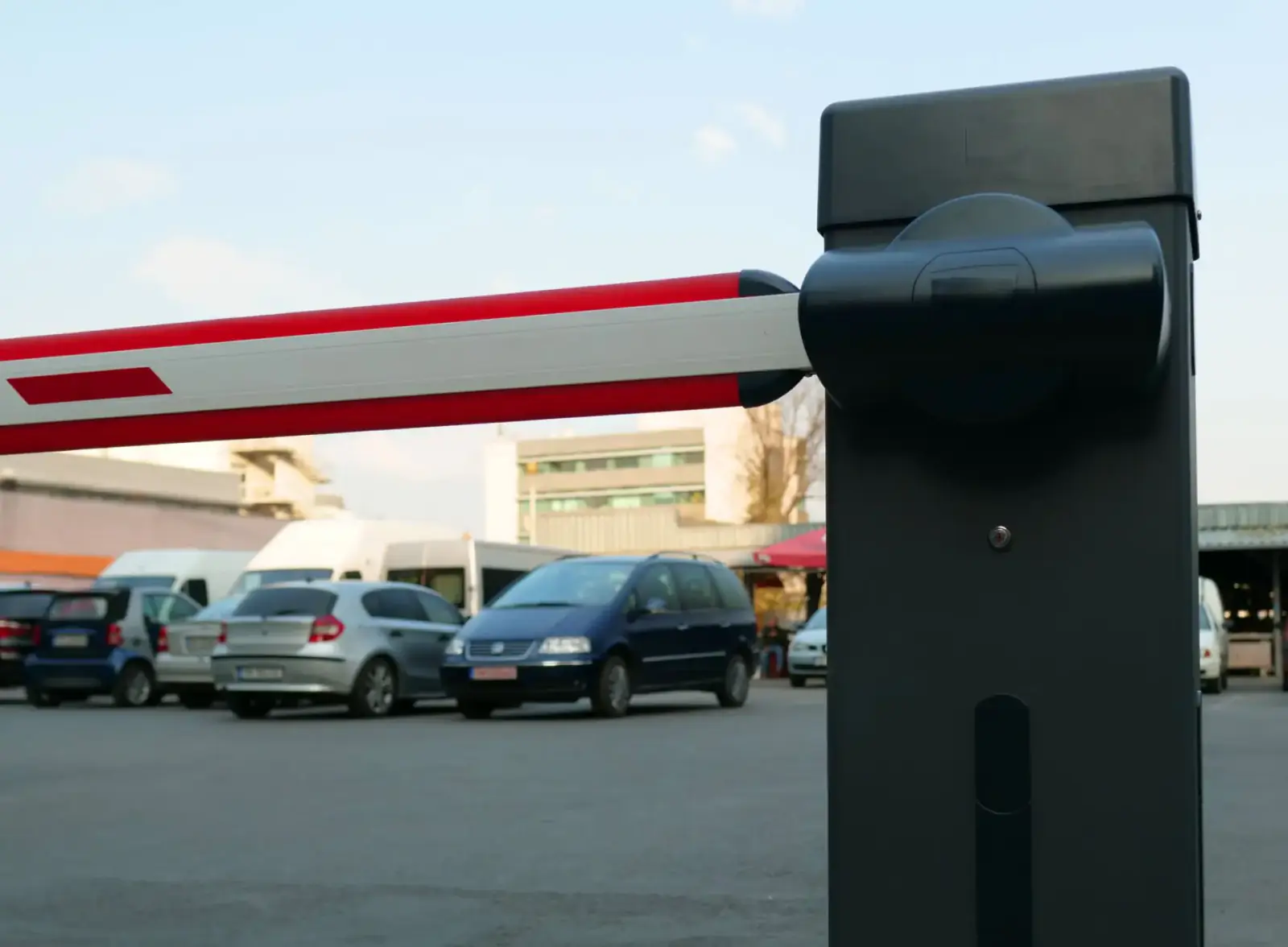
Automatic Gate Opener Installation in St. Paul, MN — Slide & Swing Operators
Operator class comes from leaf weight and cycle count, not from the shelf price. Power routing is usually the biggest number on the quote.
Gate Opener Installation in St. Paul, MN
St. Paul Elite Metal Gates is your local resource for gate opener installation, automatic gates, gate operator repair and access control throughout St. Paul and Ramsey, Hennepin, Washington, Dakota and Anoka Counties. We work with qualified local gate and access-control specialists who size the operator to the gate rather than the other way around.
Installing a gate opener is three separate jobs pretending to be one: assessing whether the gate can take it, getting power to the operator position, and commissioning the safety system. The motor itself is the least interesting part, and it is the only part most quotes describe.
Operator class is defined under UL 325 by application rather than horsepower — Class I residential, Class II commercial or general access, Class III industrial or limited access, Class IV restricted access with supervised operation. Choosing a class below what the site needs is the most common false economy in this trade, because duty cycle is what kills operators. A residential unit on a four-unit building's drive is not unlucky when it fails in eighteen months; it is doing arithmetic.
What’s Included in a St. Paul Gate Opener Installation Quote
- Gate assessment first — leaf weight, free movement through full travel, hinge post plumb and footing condition
- Operator class selected against leaf weight, leaf length, infill wind load and realistic daily cycle count
- Operator type matched to the geometry: articulated arm, linear ram, underground, or slide drive
- Power route surveyed and specified, with voltage drop accounted for over the run to the gate
- Operator pad or post-mount bracket set true to the gate's arc or travel line
- Two independent entrapment-protection devices per entrapment zone as ANSI/CAN/UL 325 requires
- Travel limits set, soft start and soft stop tuned, force thresholds set against the gate's real condition
- Battery backup, entry devices, exit loop or wand, and a demonstrated manual release at handover
Automatic Gate Opener Installation in St. Paul, MN
Sliding Gate Opener Installation
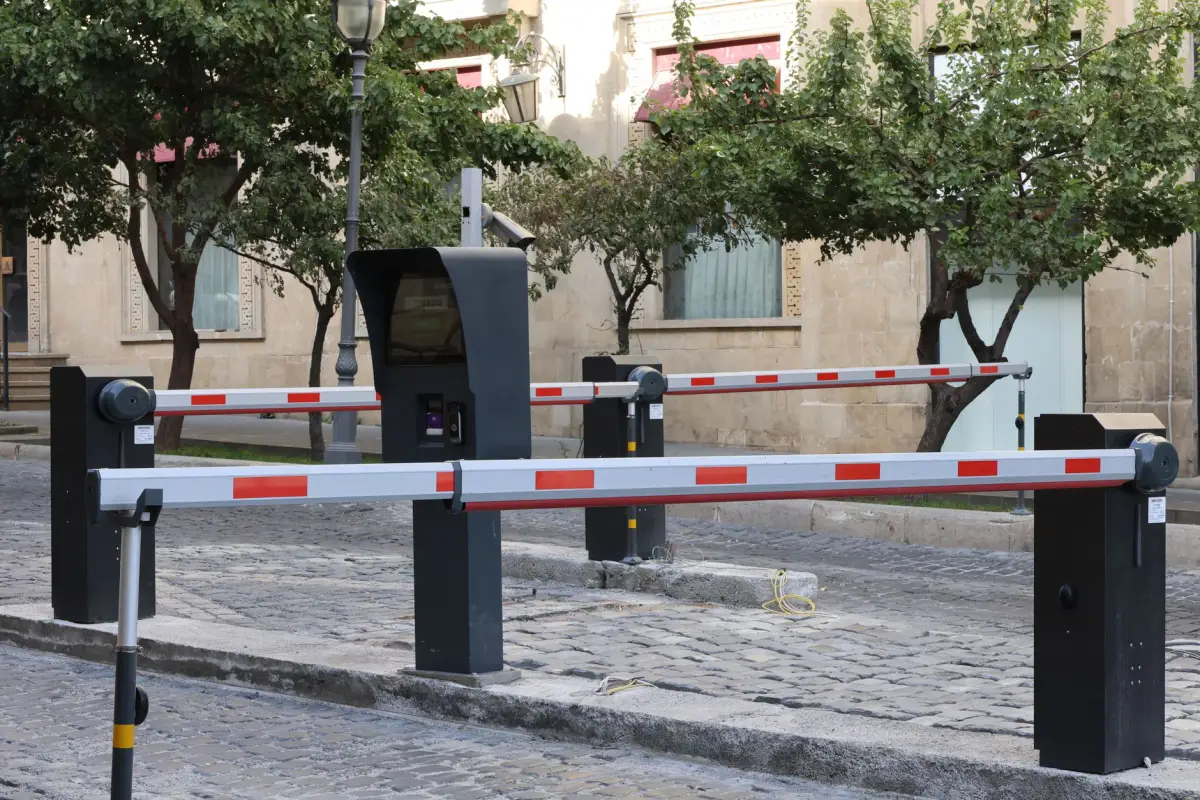
A slide operator drives the gate along its run through a chain, a rack or a belt, mounted on a pad beside the gate's travel line. Alignment is everything: an operator set even slightly out of line with the gate's path fights it on every cycle and wears its drive components out early. Chain tension is a specification rather than a feel — over-tensioned drives load the carriages and under-tensioned ones skip under load. The winter question comes up during installation rather than after, because a V-track gate whose ground track packs with ice will present the operator with a gate it cannot move, and the correct response is current-sensing and reversing settings that back off rather than force. Entrapment zones on a slide gate include the leading edge, the trailing edge and the gap between the moving leaf and the fence it passes, and each needs covering.
Swing Gate Opener Installation
Swing operators come in three families and geometry picks among them. An articulated arm mounts to the post and pushes the leaf through a jointed arm, which tolerates a wide masonry pier and a pivot set well inboard of the mounting point — the usual case on older St. Paul properties where the gate hangs off a stone or brick pier. A linear ram extends along the leaf, is more compact and generally quieter, and needs a tighter relationship between pivot and mounting point. An underground operator disappears entirely, costs the most, and in this climate needs drainage designed into the box, because an operator housing that fills with meltwater and then freezes is a spring replacement rather than a spring service. A double gate needs two operators sequenced so the leaf carrying the drop rod closes last.
Electric Gate Motor Installation
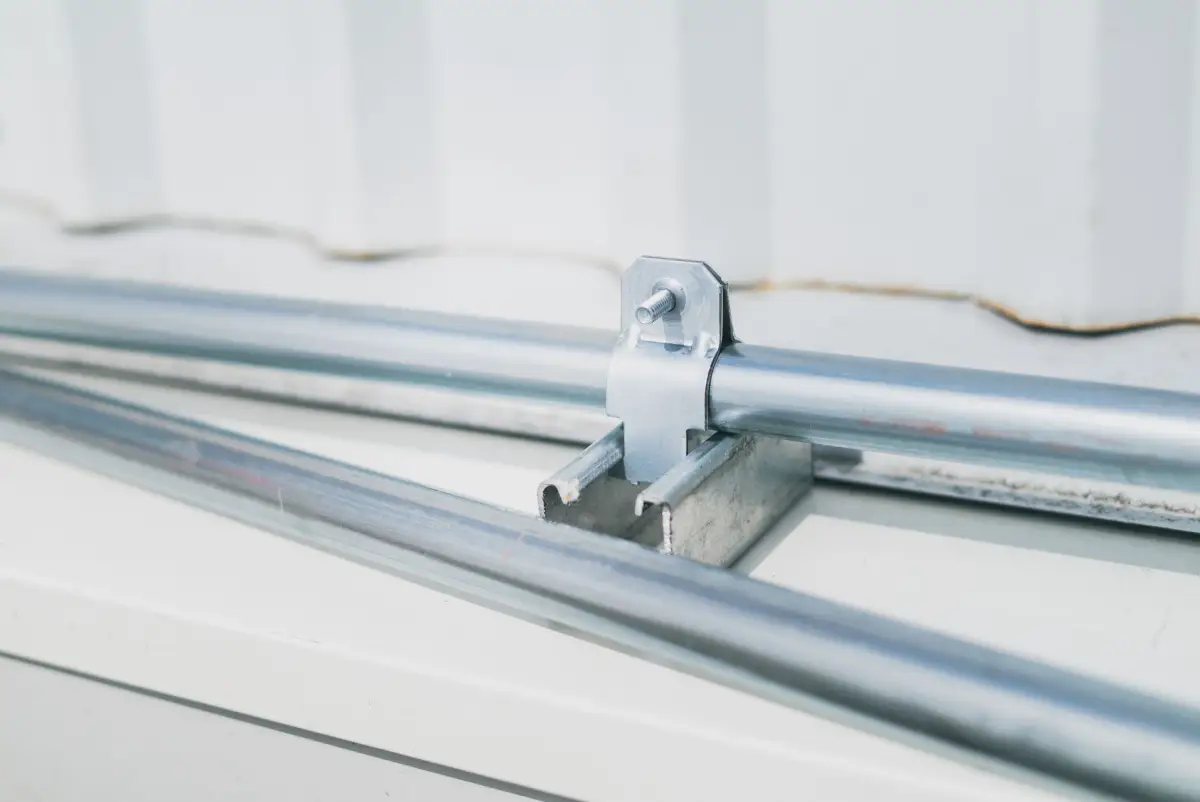
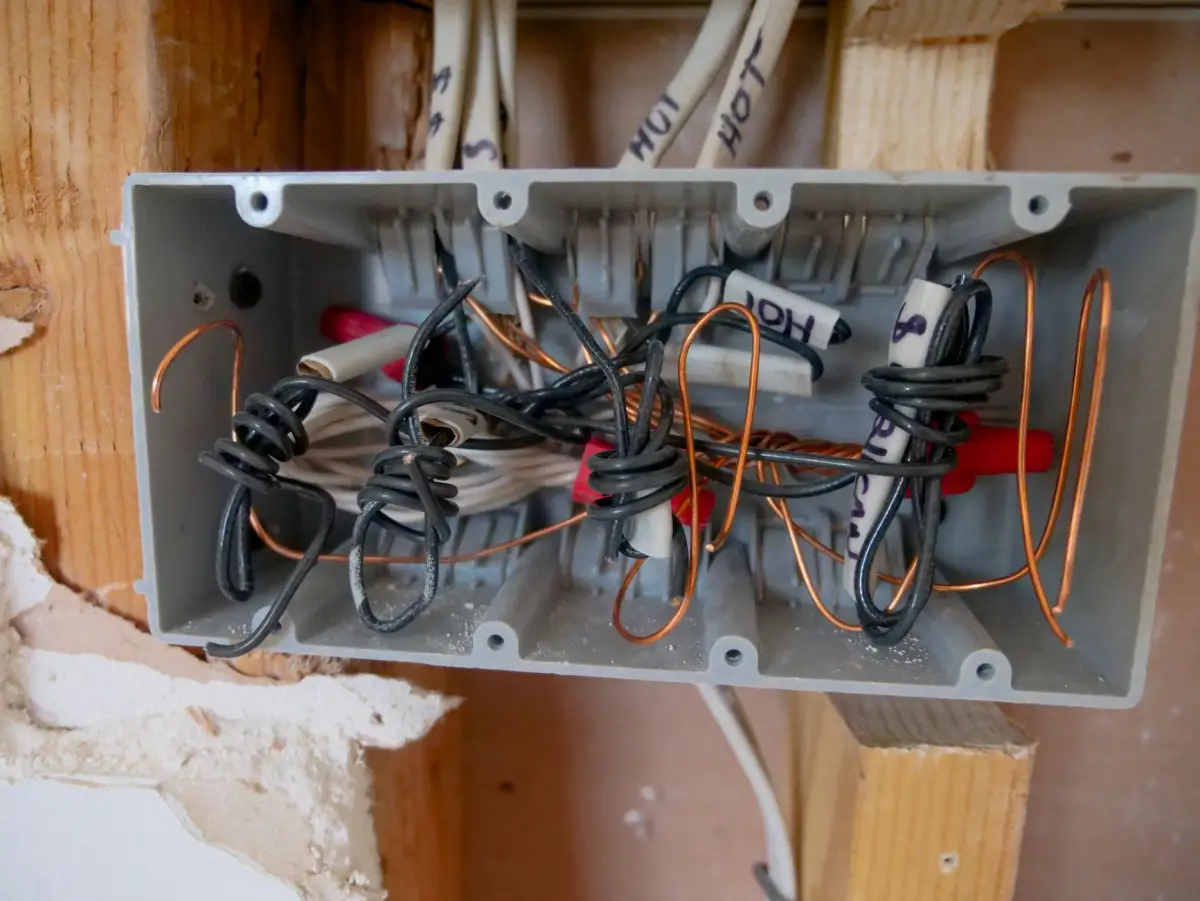
The electrical side is where most of the real work and most of the cost sits. The run from the panel to the operator gets measured and specified with voltage drop in mind, because an operator at the end of a long conduit run that works fine in July can struggle on a cold morning when the motor draws more to break the gate loose. Conduit is buried below the depth that will get it hit by an edger or a frost heave, and where it crosses a driveway it goes in a sleeve. Surge protection is worth specifying on a run that long. Battery backup is close to standard here, because Minnesota storm outages arrive with weather that makes standing outside a gate least appealing. Solar is legitimate where no power route exists, but it is sized against January daylight and real cycle counts, not against an annual average that flatters it.
Gate Operator Replacement & Upgrades
Replacing an existing operator is usually simpler than a first install, because power and mounting already exist — but the assessment still starts at the gate. If the old unit failed early, there is a reason, and it is often either a gate that got harder to move or an operator a class below what the site needed. Replacing like for like in either case reproduces the failure on the same schedule. Upgrades worth considering at replacement time: battery backup if the old system lacked it, soft start and soft stop if the outgoing unit slammed its stops, current UL 325 safety devices if the existing photo eyes are aged or absent, and access control that supports revocable credentials rather than one shared code. Mounting hardware and pads get checked too, since a pad that has settled will misalign a new operator exactly as it did the old one.
Smart & Remote Gate Opener Systems
The control layer is where most people experience the gate, and it is worth specifying deliberately. Handheld and visor remotes are the baseline and should be paired at commissioning rather than left to the owner. A keypad on a gooseneck at driver height handles guests and contractors. An exit loop buried in the drive opens the gate automatically on the way out, which is the single feature that most reliably stops a gate being left propped open. Smartphone control adds remote opening and a log of entries, and depends on signal at the gate — verified standing at the pedestal, not at the house. Whatever the control method, there should be a fallback that works with a flat phone and no network. Deeper entry systems, including card and fob credentials, video intercom and multi-tenant directories, are covered on the access control page.
Signs You Need Gate Opener Installation
- You are getting out of the car to push a gate open in February, which is the reason most openers get bought
- The gate is being left open because operating it manually is inconvenient
- Deliveries and service visits need to get in while nobody is home
- An existing operator is failing repeatedly, which usually means it was a class below what the site needs
- The gate has no photo eyes or edge sensors, which is a safety and UL 325 compliance gap
- A new gate is going in and the driveway is currently open, which is the cheapest moment to run conduit
How Gate Opener Installation Works
- 1
Assess the gate and calculate the load
The gate is moved through its complete travel by hand and any bind, rub or dead spot is noted, because those are the places a motor will eventually break something — a motor cannot feel resistance the way a shoulder can, and it keeps pushing. Hinge post plumb and footing condition are checked, since a post that has heaved will keep moving and no operator setting compensates for a gate whose geometry changes seasonally. Finished leaf weight and length are established, and infill is assessed for wind load, because a solid privacy panel is a sail and loads the operator on every gust. If the gate sags, drags or fails to latch as a manual gate, that gets corrected first. Automating a marginal gate does not stabilise it; it puts a motor behind the problem and shortens the life of both.
- 2
Select the operator class and survey the power route
Class is selected against leaf weight, leaf length and realistic cycle count using the UL 325 classes, and cycle count is where estimates are usually low — a household with three drivers plus regular deliveries can double the figure first offered. Operator type follows the geometry: articulated arm where the gate hangs off a wide pier, linear ram where the pivot geometry is tight, underground where nothing should be visible and drainage can be built in, slide drive on a rolling gate. Then the power route is walked and measured, voltage drop over the run is accounted for, and the cost of crossing any finished pavement is put on the table honestly rather than discovered mid-job. Where no route exists, solar gets sized against January daylight and actual cycles rather than an annual average.
- 3
Set the mount, run the conduit, install the operator
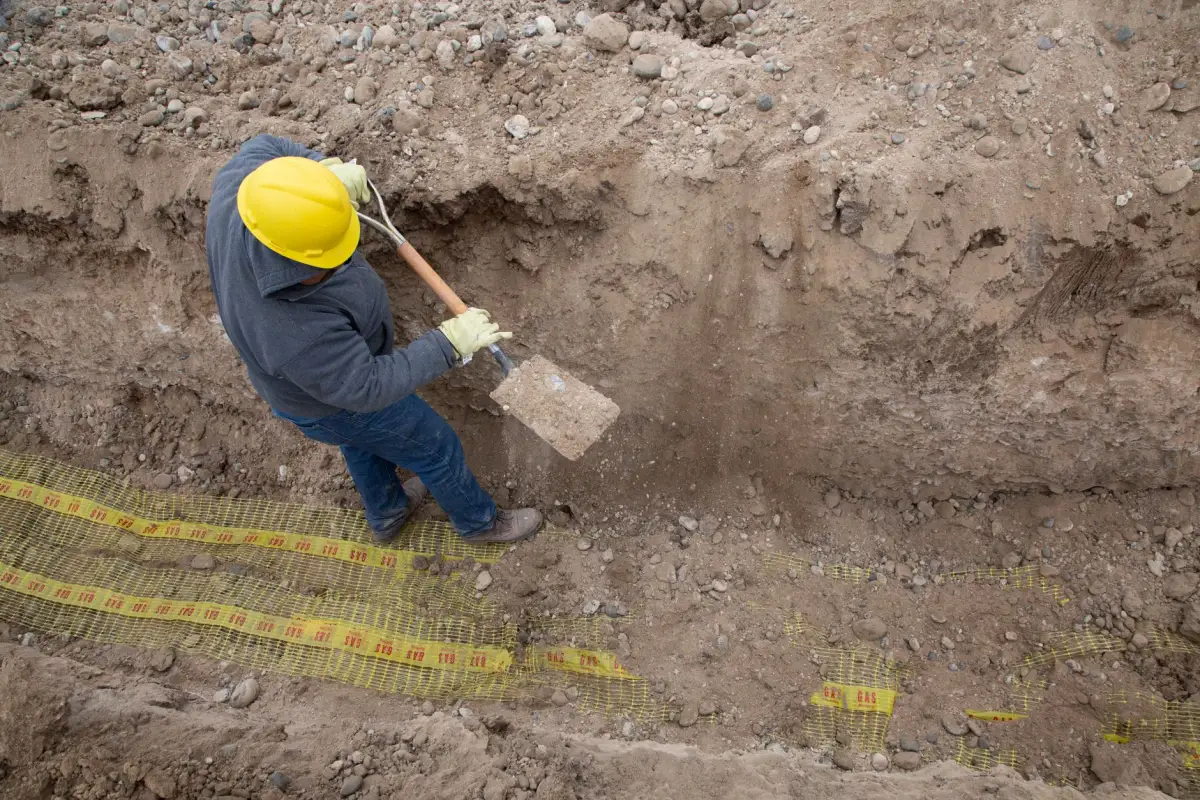
The operator pad is poured or the post bracket is set, true to the gate's arc or travel line — alignment here decides how hard the operator works for the rest of its life. Conduit is buried at a sensible depth, sleeved where it crosses a drive, and pulled with a spare conductor because the cheapest wire to install is the one already in the pipe. The operator is mounted, wired and its supply verified at the board rather than assumed. On a double gate, both operators are installed and their control board configured for the correct closing sequence, so the leaf carrying the drop rod or the overlapping stile closes last. Battery backup is fitted and the changeover is tested by actually cutting the supply, which is the only way to know it works.
- 4
Commission the safeties, then hand over properly
Travel limits are set at both fully open and fully closed with the gate at rest. Soft start and soft stop are tuned so the gate accelerates and decelerates rather than slamming into its stops — the single setting that most affects hardware life. Force and current-sensing thresholds are set against the gate's actual condition: high enough to avoid nuisance reversals in a gust, low enough to back off from something solid. Then ANSI/CAN/UL 325's requirement is met — two independent entrapment-protection devices at every entrapment zone, with the operator's inherent reversing counting as only one — and each device is tested by physically obstructing the gate mid-travel rather than by ticking a box. Handover covers pairing a new remote, setting a keypad code, and operating the manual release by hand, done by the owner once before the crew leaves.
What Does Gate Opener Installation Cost in St. Paul, MN?
- Operator class required by leaf weight, leaf length, infill wind load and realistic cycle count
- Slide drive or swing, and for swing, articulated arm, linear ram or underground
- Single leaf or double, since a double gate needs two operators and sequenced control
- Distance and route from the power source to the operator, and whether the run crosses finished pavement
- Any gate repairs needed first — bracing, hinge post replacement or footing correction
- Safety devices for every entrapment zone, plus any additional guarding the gate configuration requires
- Entry devices: remotes, keypad, exit loop or wand, intercom or smartphone control
- Battery backup, surge protection, and where no power route exists, a solar supply sized for winter
On most quotes the operator is not the largest line — the power route is. A trench from the panel to an operator on the far side of a 40-foot drive is excavation, conduit and an electrical connection before it is gate work, and once the driveway is finished that trench roughly doubles. If a new gate or a new driveway is going in, sleeving for the operator now costs very little and removes the biggest variable from a future quote.
What to Look for in a St. Paul Gate Opener Installer
The gate gets moved by hand first
Free movement through full travel is the precondition for automation. An installer who does not check it is quoting a motor for an unknown load.
Operator class is justified out loud
Ask why this class and not the one above. The answer should reference leaf weight and cycles, not shelf price.
The power route is priced, not glossed
The trench is usually the biggest variable. A quote that does not describe the run is a quote with a hole in it.
Safety devices are line items
Two independent entrapment-protection devices per zone is the standard. They belong on the estimate where you can see them.
Battery backup is proposed as standard
Outages here come with weather. A gate that stops working in a storm is the gate you needed working most.
You operate it before they leave
Pairing a remote, setting a code and using the manual release once, yourself, at handover, is what turns a working install into a usable one.
Residential & Commercial Gate Opener Installation
Residential
Class I operators on residential driveway gates across St. Paul, Highland Park, Mendota Heights, Woodbury, Eagan and Roseville, with battery backup, exit loops and keypads sized to a household's real daily traffic.
Commercial
Class II and above operators for commercial and multi-tenant sites, where cycle counts, duty rating and maintenance intervals all move up together. Higher-cycle commercial systems are covered on the commercial automatic gates page.
When Gate Opener Installation Isn’t the Right Call
- If the gate sags, drags or binds anywhere in its travel, an operator is the wrong next purchase. Fix the gate first or you will buy the operator twice.
- If there is no practical power route and the gate cycles many times a day, solar will disappoint you in a Minnesota January.
- If the budget will not cover photo eyes and edge sensors, we are not the right resource. Entrapment protection is the one line that does not come off.
- If the gate is a pedestrian walk gate under about eight feet, an operator is usually more machine than the opening needs.
- If the property is outside Ramsey, Hennepin, Washington, Dakota or Anoka Counties, find someone closer — operators need service, and service means drive time.
Frequently Asked Questions
- What size gate opener do I need?
- It is a class rather than a size. UL 325 classifies operators by application — Class I residential, Class II commercial or general access, Class III industrial or limited access, Class IV restricted access. The class is chosen against finished leaf weight, leaf length, wind load on the infill and realistic daily cycles. Choosing a class below what the site needs is why operators fail early, and no repair changes that arithmetic.
- Can any gate be automated?
- Any gate that moves freely through its full travel and hangs on a sound post and footing. Push the gate by hand and note where it binds or takes more effort — those points are where a motor will eventually break something, because a motor cannot feel resistance. A gate that already sags, drags or won't latch needs that fixed first; automation accelerates the underlying problem rather than compensating for it.
- How is power run to a gate opener?
- Through buried conduit from the panel to the operator position, sleeved where it crosses a driveway and specified with voltage drop over the run accounted for. That trench is usually the largest single cost in the installation, and it roughly doubles once the driveway is finished. If any paving work is planned, sleeving for the operator at that point costs very little.
- Do I need photo eyes on my gate opener?
- Yes. ANSI/CAN/UL 325 requires two independent entrapment-protection devices at each entrapment zone on a vehicular gate operator, and the operator's inherent reversing system counts as only one of them. Photo eyes, edge sensors or both provide the second. They are tested by physically obstructing the gate mid-travel — not by confirming a light is on.
- Will a solar gate opener work through a Minnesota winter?
- It can, if it was sized for winter rather than for an annual average. December daylight here is short and often overcast, and the same gate that cycles comfortably on solar in June can run its battery down in January. Sizing is done against actual daily cycles and winter production, with battery capacity to carry several dull days. Where a wired route exists at reasonable cost, it is generally the more dependable choice.
- How long does gate opener installation take?
- The operator itself is usually a day. What extends it is the power route — trenching, conduit and electrical connection can add a day or more depending on distance and what the ground turns up — and any gate repairs needed before automation. Commissioning, safety testing and handover are a further part of the same visit, and rushing that part is where problems begin.
Learn More
- DASMA — Vehicular Gate Operators and the ANSI/CAN/UL 325 Standard — the operator class definitions and entrapment-protection requirements that govern every installation
- DASMA — An Installer's Guide to ASTM F2200 — the construction standard an automated vehicular gate must satisfy before an operator goes on it
- Minnesota Rules 1303.1600 — Footing Depth for Frost Protection — the 42-inch Zone II minimum that keeps an automated gate's geometry stable through a freeze-thaw season
Need Gate Opener Installation in St. Paul, MN?
Tell us what’s going on and get an on-site estimate — no charge for the visit, and no obligation to book the work.
Get My Free Estimate