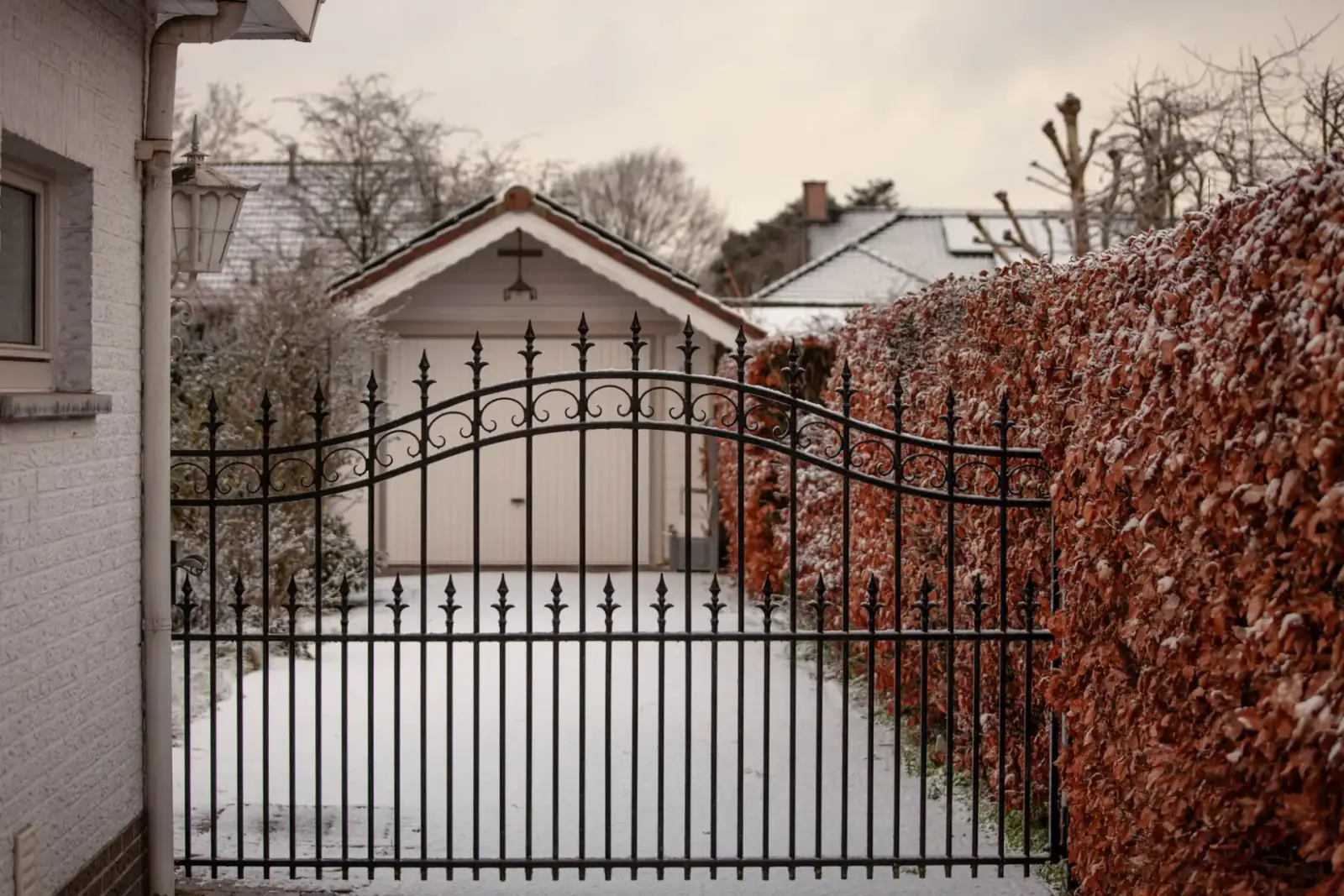
Custom Metal Gates
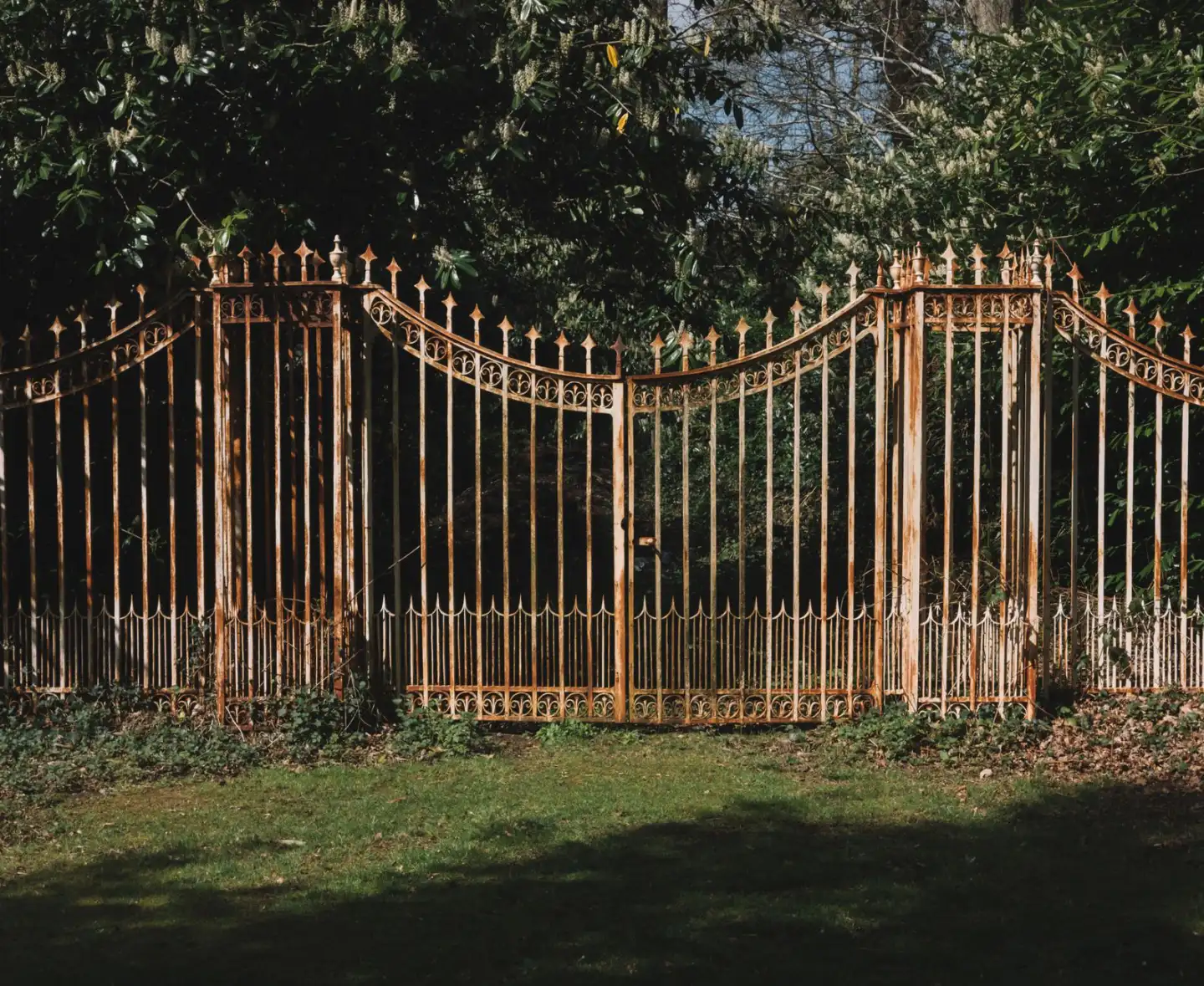
Gates built to the opening you actually have, in wrought iron, steel or aluminum. Material, coating, bracing and footing depth all specified on site — because most St. Paul openings aren't square and most catalog gates fit nobody.
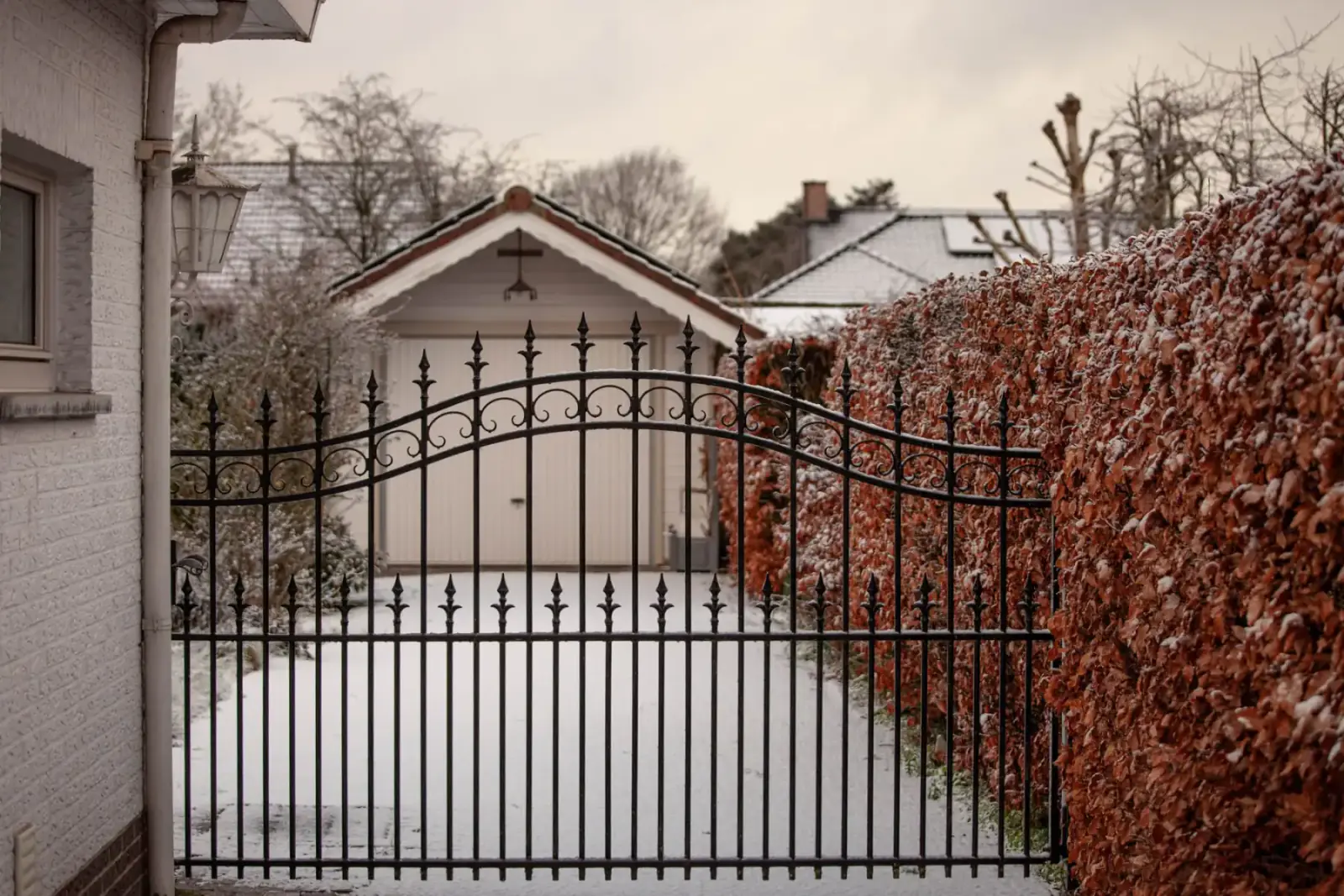
Driveway gates, security gates, automatic operators and ornamental iron across Ramsey, Hennepin, Washington, Dakota and Anoka Counties. Posts below the 42-inch frost line, coatings specified for road salt, and a gate that still opens in February.

St. Paul Elite Metal Gates is your local resource for driveway gates, security gates, automatic gate operators, gate repair and ornamental iron fencing throughout St. Paul and Ramsey, Hennepin, Washington, Dakota and Anoka Counties. We work with experienced gate fabricators and installers who specify material, coating, bracing and footing depth against the opening in front of them rather than against a catalog page. From a Summit Avenue carriage-house opening that was never square to a Woodbury cul-de-sac where the operator sits at the far end of a 40-foot conduit run, every job starts with the clear opening measured at the finished post faces.
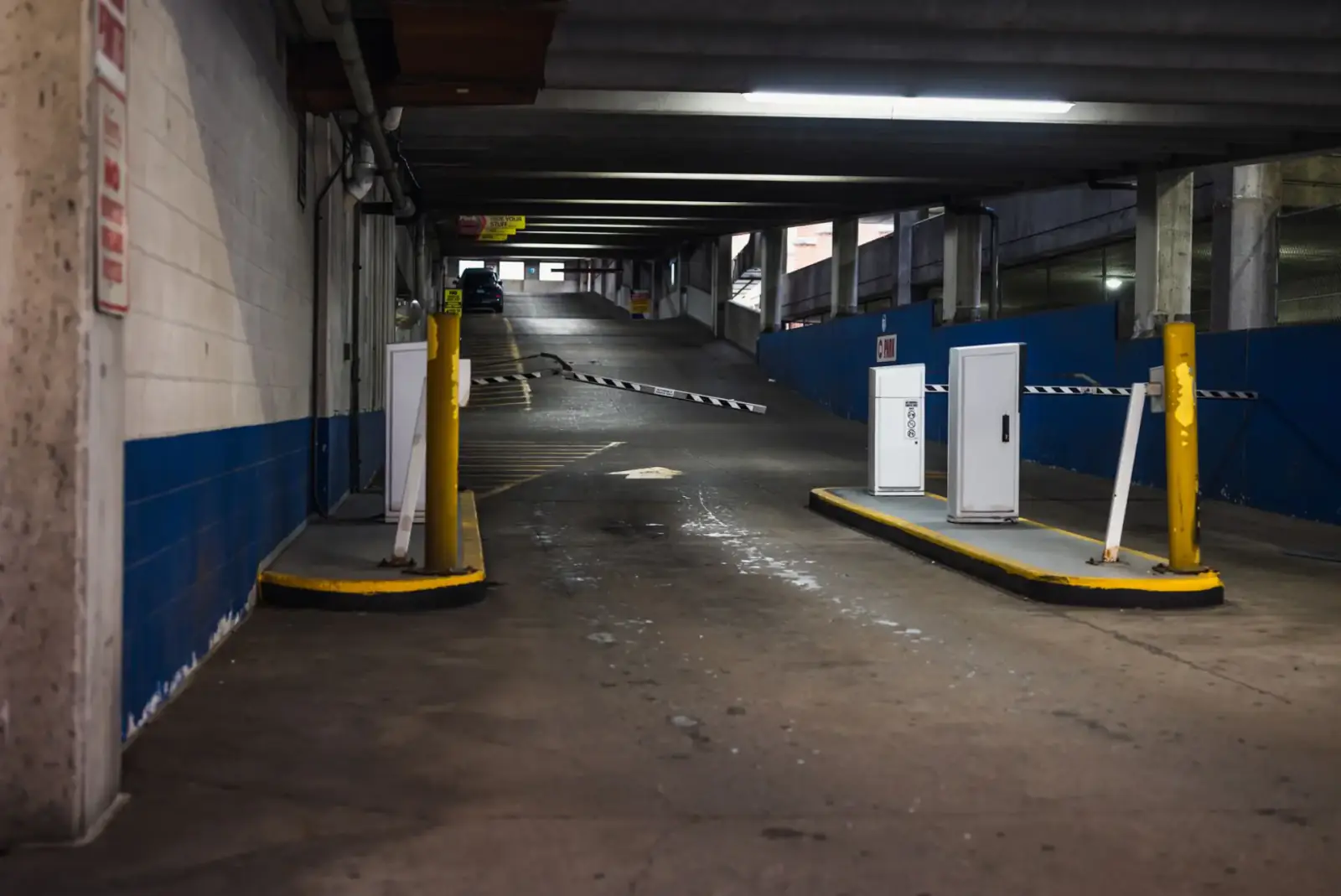
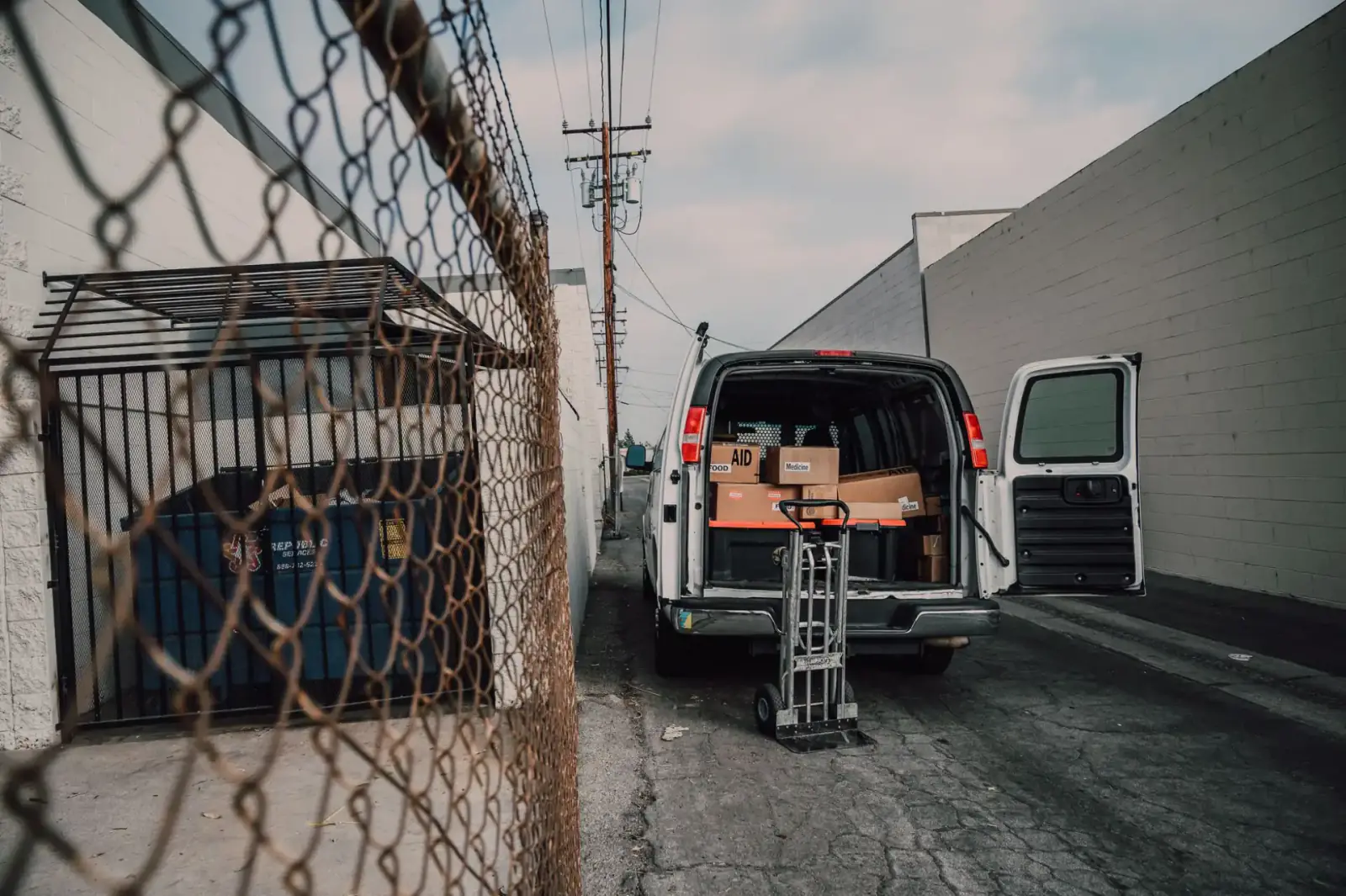
A Crocus Hill carriage house, a Highland Park alley approach and a Woodbury cul-de-sac all need the same thing: a gate built to the opening that is actually there, not a catalog width that nearly fits.
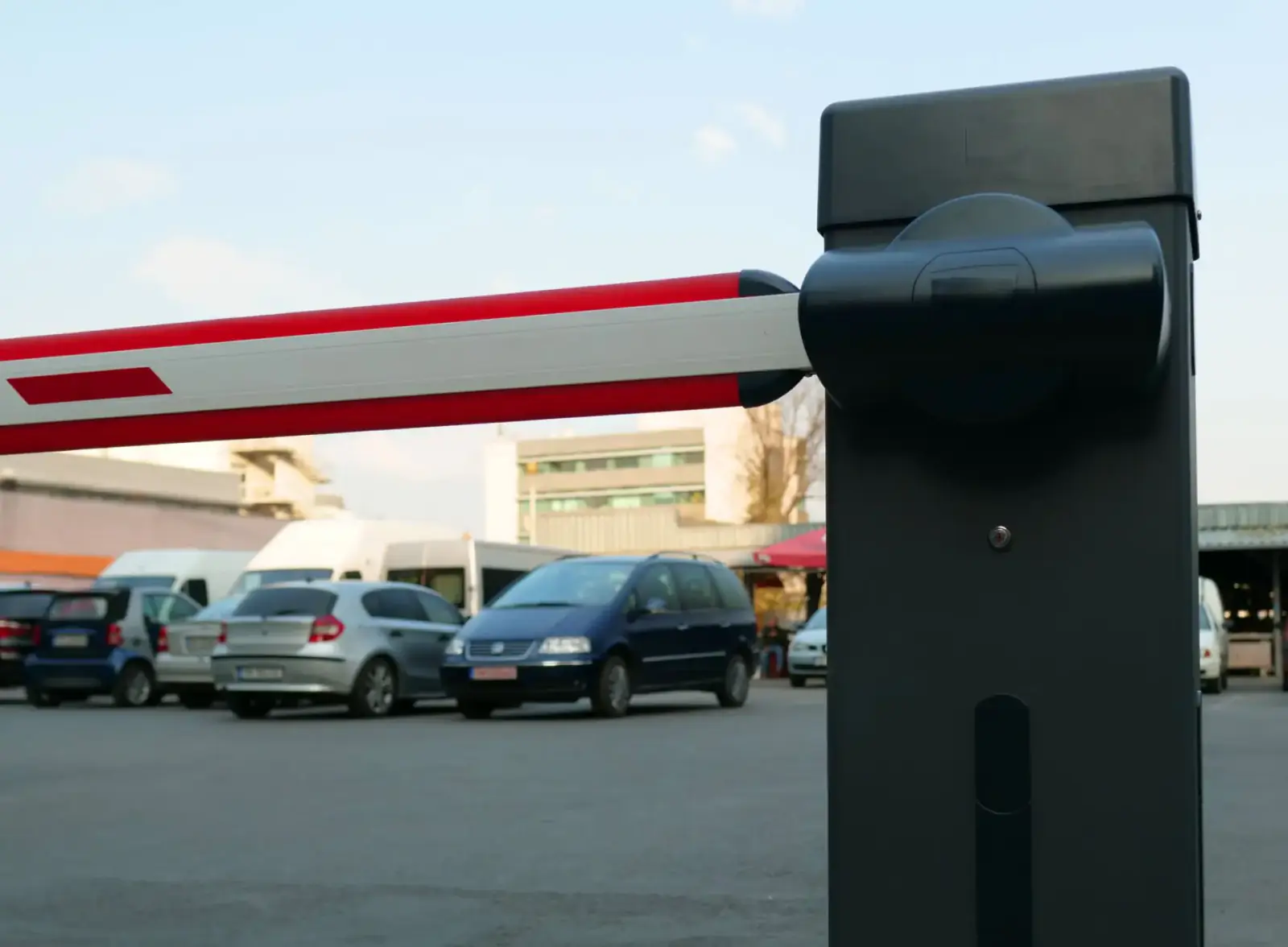
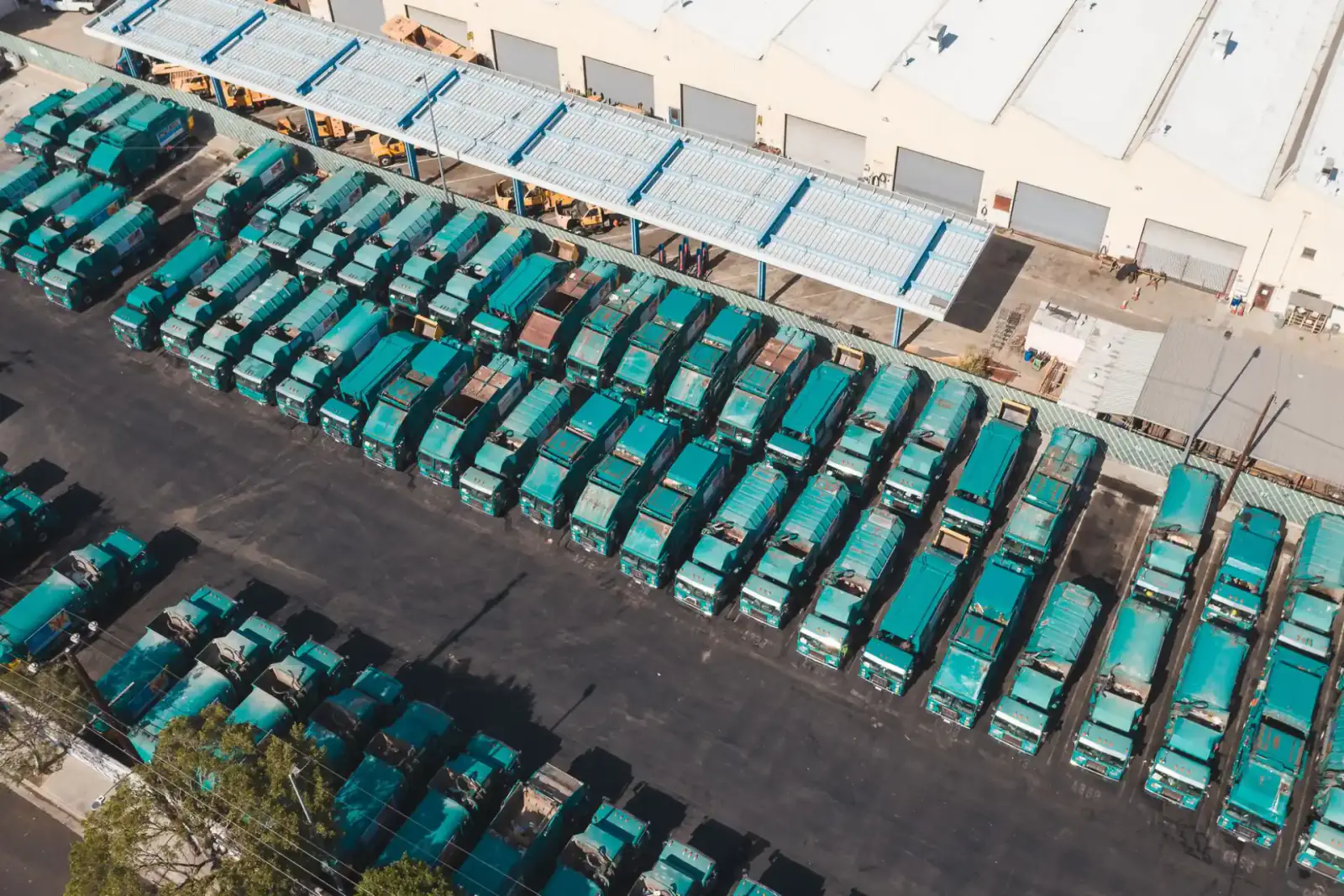
Yards, lots, warehouses and distribution facilities all need the same thing: hardware rated for the cycle count the gate actually runs, not for the width of the opening.
Most gate failures in this metro trace back to three decisions made before anyone cut steel: how deep the posts went, what the coating was, and whether the operator was sized to the leaf. Here is how each one gets settled.
Minnesota Rules 1303.1600 puts Ramsey, Hennepin, Washington, Dakota and Anoka Counties in frost Zone II: 42 inches minimum. A post stopped short of that because the ground was frozen and nobody wanted to keep digging is a post that lifts, and a lifted post is a new gate rather than an adjustment.
365,000 tons of road salt go down in the Twin Cities metro every year, and plow spray finds the bottom rail first. Hot-dip galvanized, or galvanized then powder coated, gets chosen against that exposure — the color chart comes after.
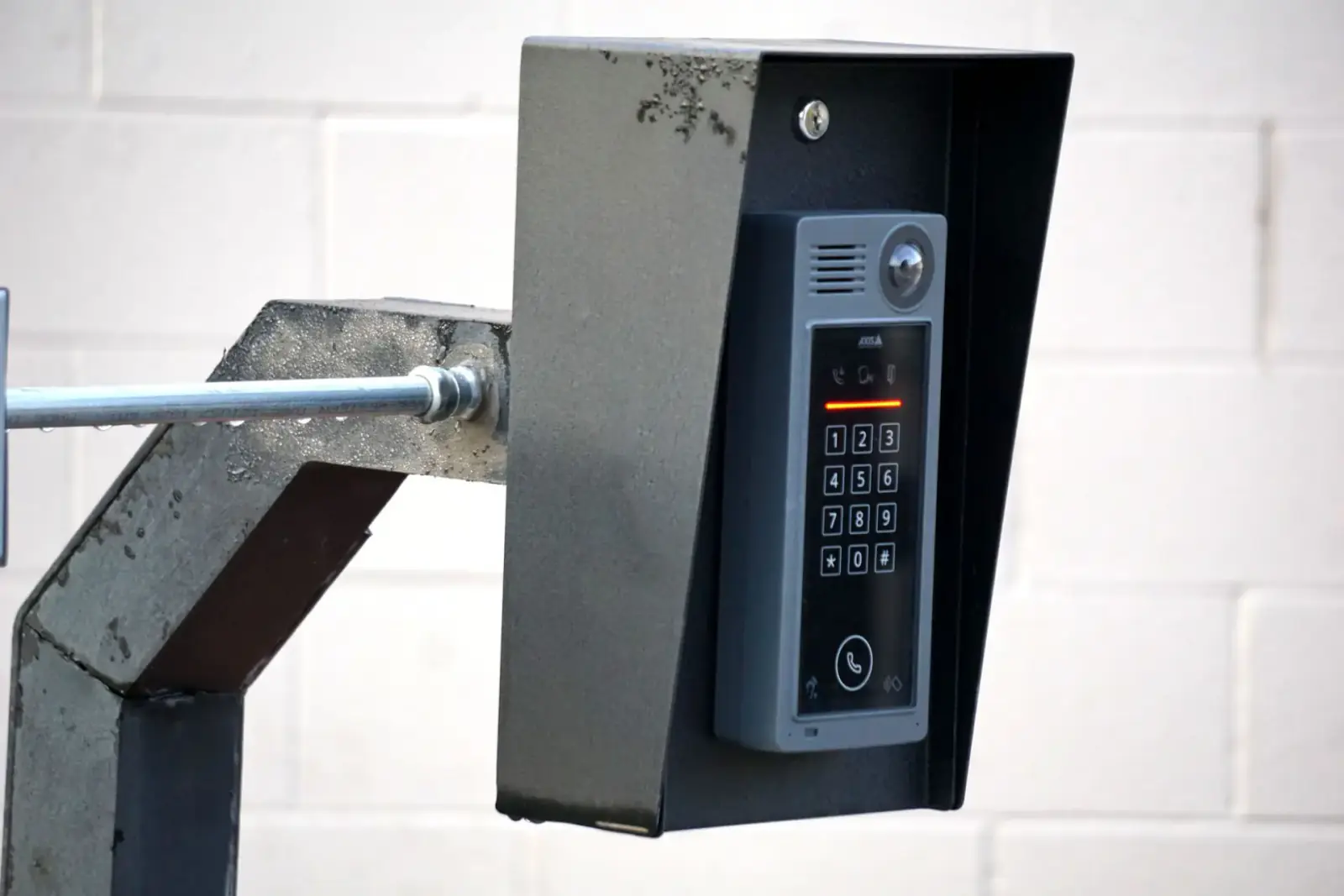
UL 325 and ASTM F2200 exist because automated gates injure people. Photo eyes and edge sensors get proven by physically blocking the gate at the closing edge and at the hinge pinch point before handover, not ticked off a list with the sensors still in the box.
Minnesota Rules 1303.1600 sets footing depth by frost zone, and all four counties covered here — Ramsey, Hennepin, Washington, Dakota and Anoka — sit in Zone II at a 3-1/2 foot minimum. A hinge post stopped short because the auger hit frozen ground is a post that will lift. A lifted hinge post throws the latch out of alignment and starts drawing the bottom rail across the driveway, and no amount of hardware adjustment fixes it.
That is the Minnesota Pollution Control Agency's estimate for the Twin Cities metro, every year. Plow spray reaches the bottom rail of a driveway gate before it reaches anything else, which is why the coating gets specified from the bottom up — hot-dip galvanized, or a duplex system of galvanized then powder coated — rather than paint over bare mild steel. Surface rust on a picket is cosmetic. Section loss at the bottom rail is not.
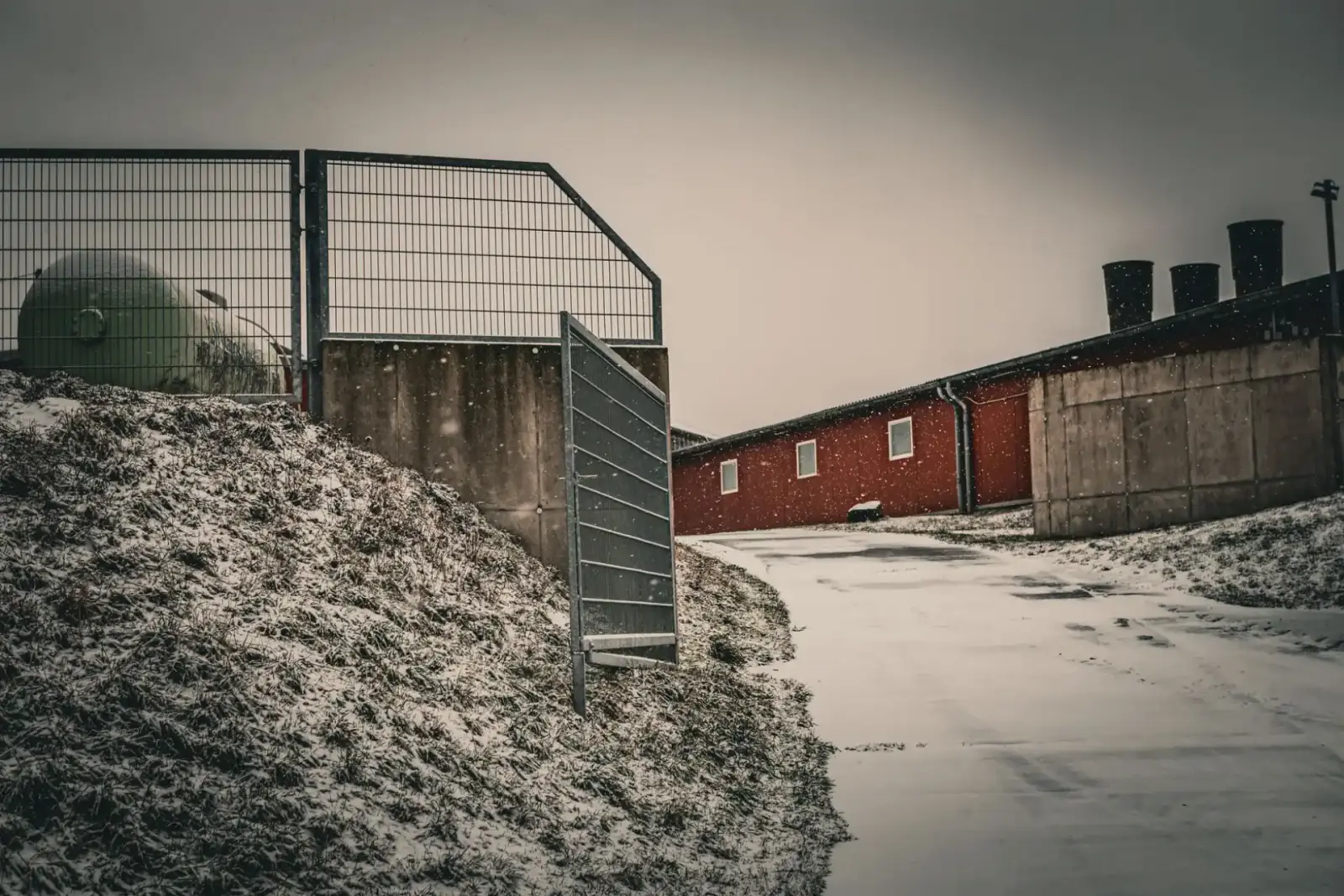
The DNR's Twin Cities normal is 54.0 inches a year, and a good share of it ends up as a berm across the end of the driveway. That berm is why a V-track slide gate packs with ice and refuses to roll, and why a swing gate hung with a half-inch of ground clearance in July will not clear packed snow in January. Cantilever slide gates carry no ground track, which is the usual answer where the berm wins.
The clear opening is measured at the finished post faces, the grade across the swing path is checked, and the back-run beside the opening is walked if a slide gate is on the table. Power to the operator is located at the same visit, because on a long driveway it is usually the largest line on the estimate.
Material, infill, bracing, hinge and latch post sizing, coating system and operator class, in that order. Slide versus swing gets decided by back-run and swing radius on the property, not by preference.
Sonotube and concrete collar to the full 42-inch Zone II depth, posts set plumb, and the leaf hung and swung through its complete arc before any latch hardware is located. A gate settles onto its hinges and does not stay where it sat on the sawhorses.
Travel limits set at both ends, force settings and soft start and stop tuned, then the UL 325 entrapment devices tested by physically obstructing the gate — at the closing edge and at the hinge pinch point, because both are entrapment zones.
Nationally, HomeAdvisor puts an automatic driveway gate at $2,500 to $5,000 in 2025, averaging $3,160, with the full range running $750 to $11,000. A manual gate averages $2,500. What moves a Minnesota number inside those ranges is usually not the gate: it is the footing depth the code requires and how far the power has to travel to reach the operator.
| Gate or System | National Cost Range | What It Turns On |
|---|---|---|
| Manual driveway gate | $1,500 – $4,000 | $2,500 average installed |
| Automatic driveway gate | $2,500 – $5,000 | $3,160 average; $750 – $11,000 overall |
| Swing gate leaf | $840 – $6,000 | Needs a clear arc through full travel |
| Slide gate leaf | $700 – $4,080 | Needs a clear back-run beside the opening |
| Gate operator and motor | $560 – $4,750 | Before the power run out to it |
| Keypad, sensors or intercom | $250 – $4,500 | Keypad $250 – $650; video intercom $680 – $4,500 |
HomeAdvisor 2025 national cost data for automatic driveway gates. These are national figures for the gate and its hardware: they do not include footings at the 42-inch Zone II depth Minnesota requires, and they do not include trenching power out to an operator, which on a long driveway is often the largest line on an estimate. A real number comes after someone has stood at the opening.
Ramsey, Hennepin, Washington, Dakota & Anoka Counties are the standard service area, not a special trip. Each city below has its own page covering what a gate there actually has to deal with — the frost depth under the footings, how close the drive sits to a salted arterial, and what the local code allows.
Learn More