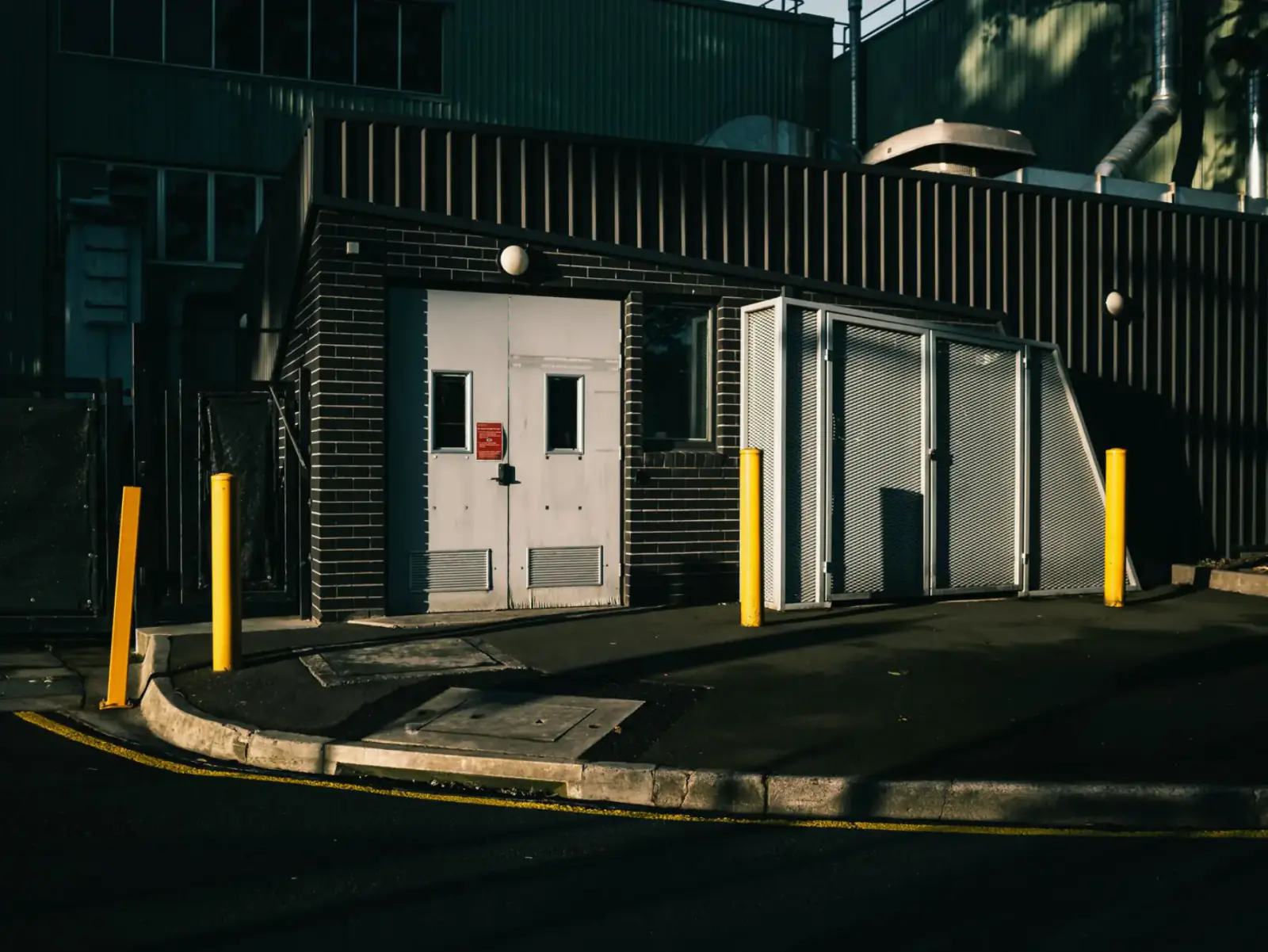
Commercial Metal Gates in St. Paul, MN — Entrance, Yard & Perimeter Gates
Commercial gates fail from duty cycle, not from weather. Frame, hardware and operator class all get specified against how often the gate actually moves.
Commercial Metal Gates in St. Paul, MN
St. Paul Elite Metal Gates is your local resource for commercial metal gates, automated entrance systems, gate repair and access control throughout St. Paul and Ramsey, Hennepin, Washington, Dakota and Anoka Counties. We work with experienced fabricators and installers who build to commercial cycle counts rather than scaling up a residential gate.
The difference between a residential and a commercial gate is not size. It is cycles. A house gate might move four times a day; a contractor's yard gate moves forty, and a distribution site's moves several hundred. Every component that touches the gate — hinges, rollers, carriages, latches, the operator — has a life measured in cycles, and specifying any of them at residential ratings on a commercial site produces failures that look random and are entirely predictable.
The second difference is who is affected when it fails. A homeowner with a stuck gate is inconvenienced. A business with a stuck gate has trucks on the street, staff who cannot get in, and in some cases a fire-lane or egress problem. That changes the design priorities: redundancy, a manual override anyone on site can operate, hardware that can be sourced quickly, and a maintenance interval agreed at handover rather than improvised after the first failure.
What’s Included in a St. Paul Commercial Metal Gates Quote
- Traffic assessment: vehicle type, daily cycle count, peak periods and what happens to the site if the gate stops
- Frame and infill specification for commercial duty — heavier sections, closed tube, and bracing sized for the leaf
- Hardware rated in cycles rather than by appearance: hinges, rollers, carriages, latches and drop rods
- Operator class selected under UL 325 against real duty, typically Class II or above on commercial sites
- Footings below the 42-inch Zone II frost depth, with post size and collar diameter set by leaf weight and any impact requirement
- Coating specification for gates whose lower sections live in plow spray and de-icer all winter
- Safety devices for every entrapment zone, plus vehicle detection and free-egress provisions
- A maintenance schedule with intervals tied to the site's actual cycle count
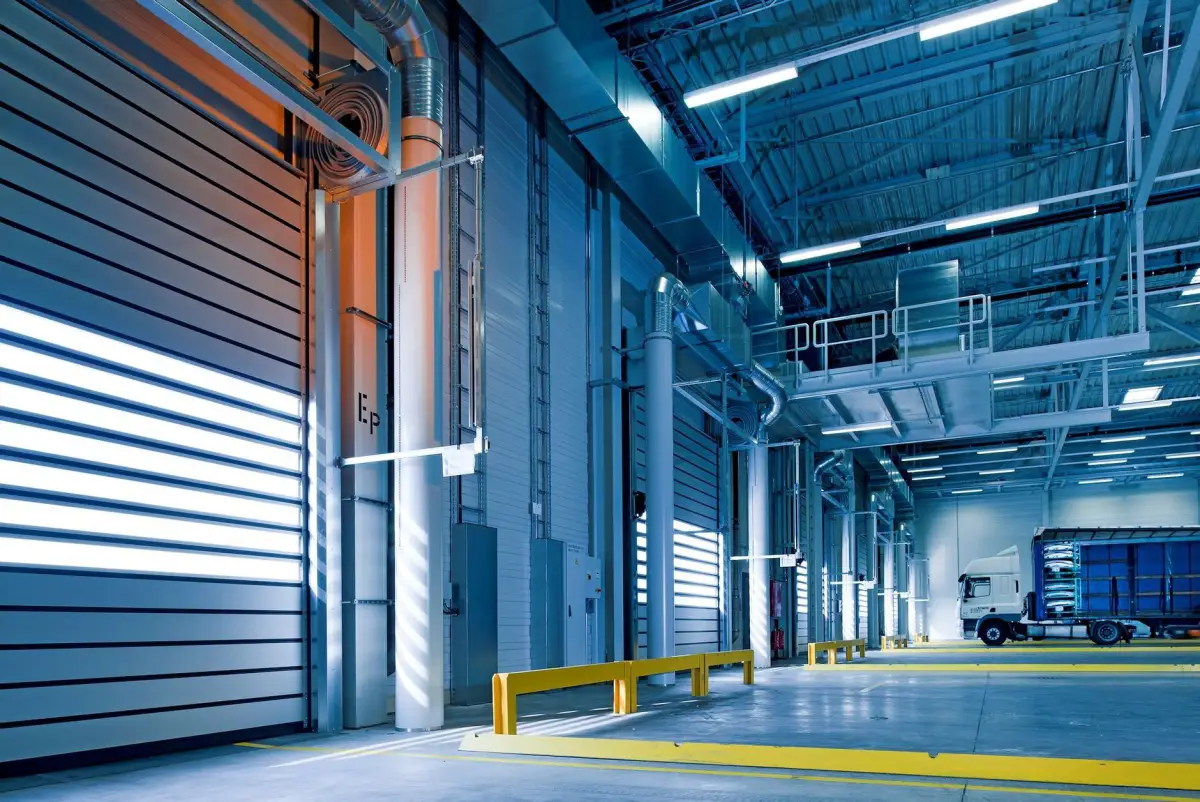
Commercial Metal Gate Installation in St. Paul, MN
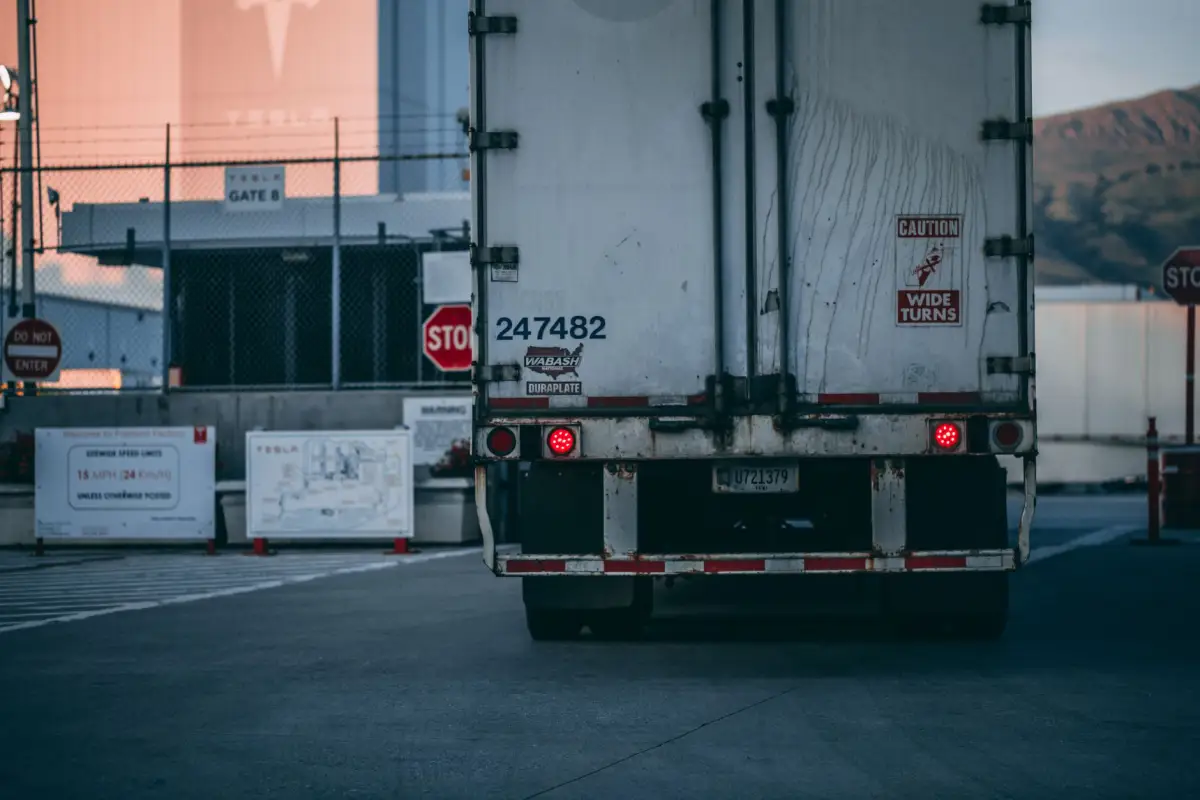
Commercial Entrance & Driveway Gates
The main entrance gate is the one that carries the site's whole traffic load and the one whose failure is most visible. Design starts with the vehicles: a gate that has to pass a delivery van is a different opening from one that passes a tractor-trailer, and turning radius off the street often sets the opening width before anything else does. Approach geometry matters as much — a gate set too close to the street leaves a truck waiting with its tail in traffic while the gate opens, which is a safety issue before it is an inconvenience, and the fix is usually setting the gate further in rather than making it open faster. Cycle count drives the hardware, and on a main entrance it is worth counting properly rather than estimating, because the gap between forty cycles a day and four hundred is the gap between two entirely different specifications.
Commercial Sliding Gates
Slide gates dominate commercial sites because commercial openings are wide and commercial lots rarely have room for a leaf to swing across a traffic lane. The two systems have different profiles here. V-track gates put the leaf's weight on the ground, which suits very heavy gates, but the track needs a clean, drained, well-maintained apron — on a site where trucks track slush and gravel across the opening all winter, that maintenance burden is real and it falls on the site rather than on the installer. Cantilever gates carry the leaf on roller carriages with a counterbalance tail, need no ground track, and want roughly 50 percent more clear back-run than the opening width. For most commercial east-metro sites the cantilever gate is the better long-term specification, and the reason is January rather than engineering.
Commercial Swing Gates
Swing gates still make sense on commercial sites where the opening is moderate and there is room for the arc — service entrances, secondary access points, enclosure gates around generators, transformers, dumpsters and utility yards. The commercial specification differs in the details. Hinges are rated for cycles rather than for weight alone, and heavy-duty barrel or roller-bearing hinges replace the residential equivalents. Drop rods and cane bolts go into sleeved sockets that can be cleared, because a socket full of frozen slush in a lot that gets plowed weekly is a permanent condition rather than an occasional one. Positive stops at both open and closed positions are standard, since a commercial leaf caught by wind exerts serious force. Where the swing crosses a pedestrian route, the arc gets marked or guarded.
Heavy-Duty Steel Gates
Heavy-duty means the gate has to resist something beyond its own weight — vehicle impact, forced entry, wind on a solid panel, or simply the accumulated abuse of a busy yard. Structurally that means closed tube sections rather than open channel, welded and gusseted corners, internal trussing on long leaves, and posts that function closer to bollards than to fence posts, with footing diameters to match. Infill choice becomes a structural decision rather than an aesthetic one, because a solid or louvered panel transfers wind load into the posts on every gust and drives their sizing. Coating is specified accordingly: on a heavy commercial gate near a plowed and salted apron, a duplex system — hot-dip galvanized then powder coated — is the specification that pays for itself, at 1.5 to 2.3 times the combined service life of the two coatings applied separately per the American Galvanizers Association.
Custom Commercial Gate Fabrication
Commercial openings are rarely standard, because they were laid out around a building, a loading dock, a fire lane or an easement rather than around a gate catalog. Custom fabrication covers the ordinary cases — an opening of an odd width, a gate that must clear a slope or a curb return, a leaf that has to fold or bi-part because there is not enough run in either direction — and the less ordinary ones, like a gate that has to integrate with an existing fence system, carry signage, or accommodate a card reader and an intercom in the same pedestal. It also covers matching: a multi-building site with gates going in over several years is better served by a repeatable specification than by whatever each contractor happened to carry, because standardised hardware means a stocked spare rather than a two-week lead time when something fails.
Signs You Need Commercial Metal Gates
- Vehicles are entering the site unchallenged, or using the lot to turn around
- An existing gate has failed repeatedly, which usually means it was specified at residential ratings
- Trucks are waiting in the street while the gate opens, which is a traffic and safety problem
- The site needs controlled access for staff, deliveries and contractors with different permissions
- Insurance, a lease or a client requirement calls for a secured perimeter with a controlled entrance
- The gate is manual and staff are leaving it open all day because operating it slows everyone down
How Commercial Metal Gates Works
- 1
Count the traffic and map the consequences of failure
Commercial specification begins with two numbers and one scenario. The first number is daily cycles, counted rather than estimated, including the peak period — a site averaging eighty cycles a day but taking forty of them between six and eight in the morning has a duty profile that an average conceals. The second is vehicle type and size, since that sets opening width, approach geometry and how far back from the street the gate has to sit so a truck is not left waiting in traffic. The scenario is what happens when the gate fails: whether staff can still get in, whether deliveries back up onto the street, whether a fire lane is affected, and who on site can operate a manual release at six in the morning. That answer drives decisions about redundancy, override design and how quickly replacement parts need to be available.
- 2
Specify for cycles, wind and impact
Every component gets chosen against the cycle count established in step one. Hinges, rollers and carriages have cycle-rated lives, and residential-rated hardware on a commercial gate will fail on a schedule that looks like bad luck and is arithmetic. Frame sections move to closed tube with welded, gusseted corners, and long leaves get internal trussing rather than a single diagonal. Infill is assessed for wind load, because a solid or louvered panel transfers real force into the posts every time it gusts, and that sizes the posts and the footings. Where vehicle impact resistance is required — a fuel yard, a utility enclosure, a site with a history of incidents — the posts are designed closer to bollards, with footing diameters and reinforcement to match. Operator class is selected last, against the finished leaf and the same cycle count.
- 3
Set posts and footings for load as well as frost
Footing depth is set by Minnesota Rules 1303.1600 — a 42-inch minimum in Zone II, which covers Ramsey, Hennepin, Washington, Dakota and Anoka Counties. Footing diameter and reinforcement are set by the leaf, the wind load and any impact requirement, and on a commercial gate those usually govern well before frost depth does. Post locations are surveyed against the property line, easements, fire lanes and any buried services, and on commercial sites there are almost always buried services — locates are done rather than assumed. Posts are set to a string line, plumbed and braced while concrete cures, and on slide gates the carriage or track alignment is checked with an instrument rather than by eye, because a commercial slide gate running slightly out of line will destroy carriages at a rate proportional to its cycle count.
- 4
Automate, protect, and set a maintenance interval
The operator is installed to the class the duty requires, travel limits are set and soft start and soft stop are tuned so a heavy leaf is not slamming its stops several hundred times a day. ANSI/CAN/UL 325 requires two independent entrapment-protection devices at each entrapment zone, and on a commercial site the zones are more numerous and the traffic mix more complex — vehicles, pedestrians, forklifts — so guarding and marking of the gate's path get real attention rather than a token pass. Vehicle detection goes in so the gate closes behind traffic instead of being propped. Then the part most often skipped: a written maintenance interval tied to the site's cycle count, covering track clearing, roller and carriage inspection, safety-device testing and force re-checking before winter.
What Do Commercial Metal Gates Cost in St. Paul, MN?
- Opening width, vehicle type and required approach setback from the street
- Daily cycle count, which sets hardware ratings and operator class
- Slide versus swing, and for slide, V-track versus cantilever with its longer back-run
- Frame section, infill type and whether wind or impact resistance governs the post and footing design
- Coating specification — duplex systems cost more up front and considerably less over a decade on a salted apron
- Footings sized for load rather than frost alone, plus utility locates and any hand digging they force
- Access control, vehicle detection and integration with existing site security
- The maintenance schedule and whether spares are stocked on site for critical openings
The most useful number on a commercial gate quote is not the price — it is the cycle rating behind the hardware. A gate specified at residential ratings will always quote lower and will always cost more, because the replacement is not just parts but the disruption of an entrance that has stopped working during business hours. Ask what cycle count the quote assumes, and check it against what the site actually does.
What to Look for in a St. Paul Commercial Gate Contractor
They ask for a cycle count
Duty cycle is the number that determines every component. A quote produced without it is a residential quote with a bigger gate on it.
Approach geometry gets discussed
A gate set too close to the street leaves trucks waiting in traffic. Where the gate sits is a design decision, not a given.
Utility locates are part of the plan
Commercial sites have buried services almost everywhere. Locates before digging is the difference between a schedule and an incident.
Failure consequences are considered
Who opens the gate manually at 6am when it fails? That question should be answered in the design, not on the morning it happens.
A maintenance interval is written down
Commercial hardware wears at a rate proportional to use. An interval tied to your cycle count is worth more than a warranty period.
Hardware is standardised across the site
Matching specifications across multiple gates means a stocked spare instead of a two-week lead time on a critical entrance.
When Commercial Metal Gates Isn’t the Right Call
- If the site's traffic is genuinely light — a few cycles a day — commercial-rated hardware is more than you need and the residential pages are the right starting point.
- If the gate would sit so close to the street that a truck has to wait in a traffic lane, the answer is relocating the entrance rather than buying a faster operator.
- If nobody on site will own the maintenance interval, specify the configuration that needs the least of it — cantilever over V-track — and expect that to cost more up front.
- If the opening is in a fire lane or affects egress, the fire code governs and that conversation starts with the city, not with a gate quote.
- If the property is outside Ramsey, Hennepin, Washington, Dakota or Anoka Counties, look for a contractor closer to it — commercial gates need responsive service.
Frequently Asked Questions
- What makes a gate 'commercial' rather than just larger?
- Cycle rating. Hinges, rollers, carriages, latches and operators all have lives measured in cycles, and commercial sites run through them at ten to a hundred times the rate a house does. A commercial gate uses hardware rated for that, heavier frame sections, and an operator selected at UL 325 Class II or above. Size often follows, but duty cycle is the actual dividing line.
- Should a commercial gate slide or swing?
- Usually slide, because commercial openings are wide and commercial lots rarely have arc available across a traffic lane. Between the two slide systems, cantilever is generally the better long-term choice here — it has no ground track to fill with slush, gravel and de-icer, which is exactly what commercial traffic tracks across an opening all winter. It costs more up front and needs about 50 percent more clear back-run.
- How far back from the street should a commercial gate sit?
- Far enough that the largest vehicle using the site can pull fully off the roadway while the gate opens. A tractor-trailer left waiting with its tail in a traffic lane is a safety problem that no amount of gate speed solves. The setback gets determined by the vehicle type and the approach angle, and it is usually the first thing that constrains where the gate can go.
- How often does a commercial gate need maintenance?
- It should be tied to cycles rather than to the calendar. A high-traffic entrance may need quarterly attention to rollers, carriages, track and safety devices, while a low-traffic service gate may be fine annually. The two fixed points here are a pre-winter check — force settings, track clearance, drainage — and a spring check after the freeze-thaw season has finished moving things.
- What happens if a commercial gate fails during business hours?
- That depends on what was designed in. Every operator has a manual release, but on a commercial site the relevant questions are who is trained to use it, whether it can be reached without a key nobody has, and whether the gate can be secured in the open position safely. Those are design decisions worth making at specification time rather than discovering at six in the morning.
- Do commercial gates need different safety equipment?
- The UL 325 requirement is the same — two independent entrapment-protection devices at each entrapment zone — but commercial sites usually have more zones and a more complex traffic mix of vehicles, pedestrians and equipment. That typically means additional photo eye pairs, edge sensors along more of the gate's path, and physical marking or guarding where the gate crosses a pedestrian route.
Learn More
- DASMA — Vehicular Gate Operators and the ANSI/CAN/UL 325 Standard — the operator class definitions that place most commercial sites at Class II or above
- American Galvanizers Association — Duplex Systems — the service-life case for hot-dip galvanizing under powder coat on gates exposed to de-icer and plow spray
- Minnesota Rules 1303.1600 — Footing Depth for Frost Protection — the 42-inch Zone II minimum that commercial footings start from before load and impact requirements are added
Need Commercial Metal Gates in St. Paul, MN?
Tell us what’s going on and get an on-site estimate — no charge for the visit, and no obligation to book the work.
Get My Free Estimate